
Who Owns the CAD, Master and Silicone Mold After You Pay?
Paying a "tooling fee" does not automatically answer four separate ownership questions: who owns the CAD, who owns the physical master, who owns the.
Paying a "tooling fee" does not automatically answer four separate ownership questions: who owns the CAD, who owns the physical master, who owns the silicone molds, and who has the right to reproduce the design elsewhere. Buyers should settle those items before the first deposit, because they become expensive to untangle after the supplier has already completed design work.
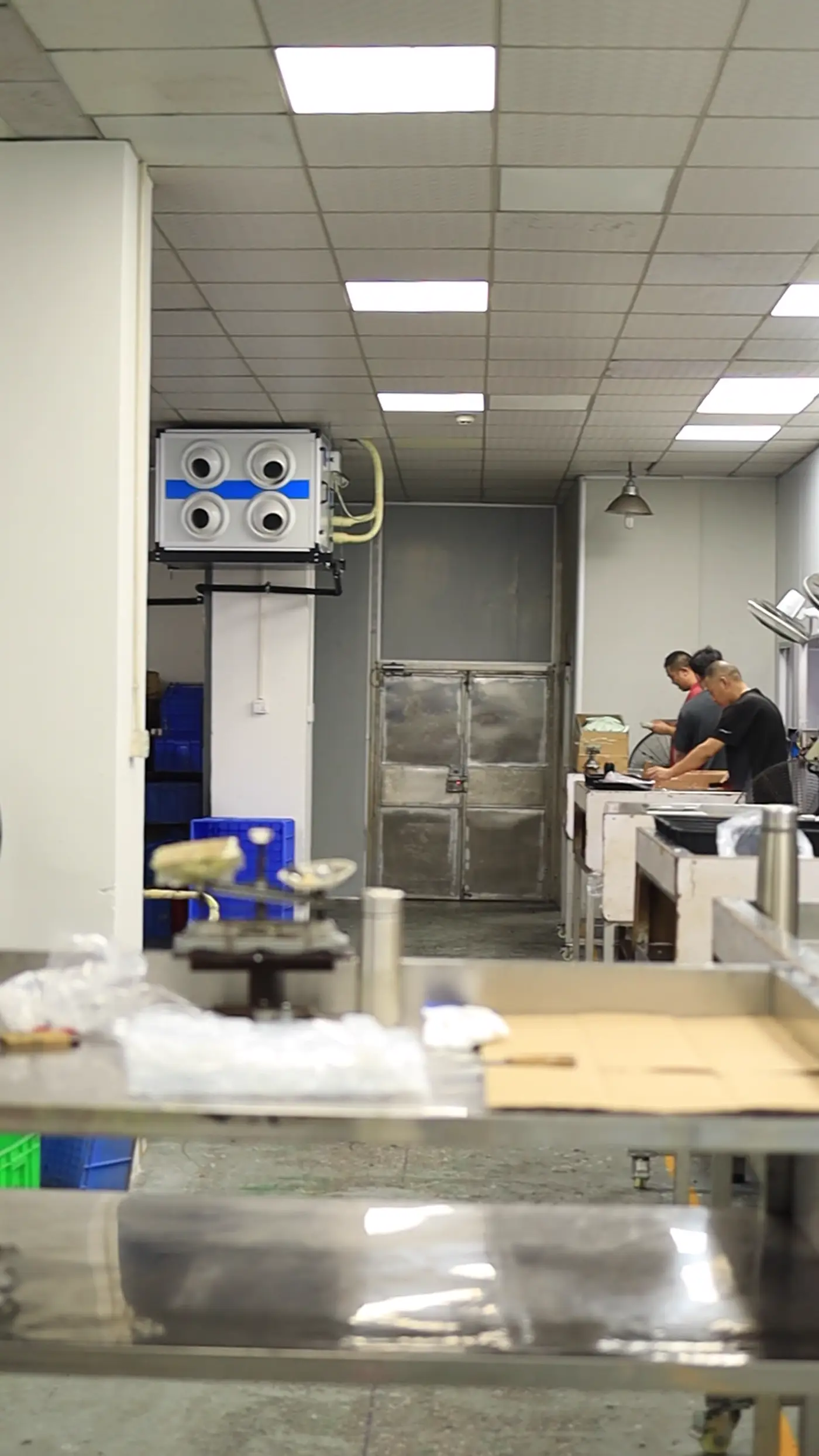
For RTV silicone mold projects, ownership is especially easy to blur because a project may include a customer file, modified CAD, a 3D-printed or CNC master, a reusable RTV cavity, a fiberglass support shell, and internal shop fixtures. Those assets do not all need the same ownership rule.
Separate the assets on the quotation
A useful tooling schedule lists the physical and digital assets individually:
| Asset | Typical question to settle |
|---|---|
| Customer source CAD/artwork | Remains customer IP? |
| Supplier-modified production CAD | Is an export included? Which format? |
| Physical master | Ships to buyer, stays archived, or is consumed? |
| RTV production molds | Quantity purchased and where they are stored |
| Mother mold / FRP jacket | Included with the mold or retained? |
| Generic mold box / clamps | Usually shop equipment, not customer tooling |
| Golden sample / approved casting | Who keeps the reference? |
| Reorder job file | How long is it retained and under what revision? |
The point is not to demand ownership of every clamp in the factory. The point is to avoid paying for a custom development project while assuming rights that were never written down.
CAD ownership is not the same as receiving a file
A buyer may own the underlying product design but still not automatically receive every native file the supplier used internally. Clarify what deliverable is required:
- STEP for transfer to another factory;
- STL for printing a replacement master;
- PDF drawing for revision control;
- native CAD if your own engineering team needs feature history;
- cavity layout and mold split data.
If portability matters, write it into the PO. "CAD included" is too vague.
A good clause is specific: "After final payment, supplier will provide the approved STEP file and PDF drawing revision used for the production mold."
Physical master: ship it, archive it, or duplicate it?
For repeat RTV mold orders, a living master is valuable because the factory can recast the silicone without reconstructing the geometry. But the buyer should know:
- whether the master belongs to the buyer;
- where it will be stored;
- whether storage has a time limit;
- whether cleaning or repairs are allowed without approval;
- what happens if it is damaged or lost;
- whether the buyer can request shipment of the master later.
For a seasonal program, it can be sensible to leave one approved master at the factory and keep one approved finished part with the buyer. That is an operating decision, not an ownership transfer.
Silicone molds are usually simpler: count the physical pieces
If you order 20 production silicone molds, the quotation should make clear whether 20 physical molds ship to you, whether any retained sample remains at the factory, and whether a support jacket is included for each mold or shared between molds.
For large RTV skins, this matters. "One mold" can mean:
- one silicone skin only;
- one silicone skin plus one FRP mother mold;
- multiple silicone sections plus one multi-piece support shell.
The PO should count what is actually being delivered.
Reorder rights matter more than the word "ownership"
A buyer often cares about three practical outcomes:
- Can the same mold be reordered without paying the full development fee again?
- Can the buyer obtain the approved CAD/master if the relationship ends?
- Can the supplier sell the custom cavity or logo to another customer?
Those are better contract questions than simply asking, "Do I own the tooling?"
For a custom logo project, the buyer should normally require that the branded geometry is not placed into a catalog or resold. For generic cavity geometry, the commercial arrangement may be different.
What changes when the factory contributes design work?
Suppose the buyer sends a sketch and the factory creates the full 3D geometry, parting strategy and master. The buyer may consider the design "theirs" because they paid the development fee; the supplier may consider some internal DFM or manufacturing know-how proprietary.
The clean way to avoid conflict is to define deliverables and usage rights, not argue over abstract ownership later.
Specify:
- what files are delivered;
- what physical assets are delivered;
- whether supplier reuse is prohibited;
- whether buyer may transfer the files to another manufacturer;
- what happens on reorder;
- which internal process documents are not part of the deliverable.
NDA does not solve tooling ownership
An NDA controls disclosure and permitted use of confidential information. It does not automatically say who owns the CAD, master or physical mold. Likewise, a tooling ownership clause does not replace an NDA.
Use the right document for the right issue.
Buyer checklist before paying the deposit
Before paying, ask the quotation to state:
- source design ownership;
- final CAD export format;
- master ownership and storage;
- number of production molds supplied;
- mother mold/support shell ownership;
- whether branded geometry may be reused;
- reorder setup fee, if any;
- archive period;
- process for requesting transfer of files/master;
- revision-control method.
If a supplier cannot explain these in plain language, resolve that before tooling starts.
What RUUIPON should show on this page
The strongest evidence for this topic would be an anonymized tooling register showing:
- job number;
- CAD revision;
- master status;
- mold quantity;
- support-shell quantity;
- retained golden sample;
- archive location.
That is far more convincing than a generic claim such as "customers own their molds."
Next step
If ownership or transferability matters to your project, include it in the RFQ before design starts. State the CAD format you need, whether the physical master must be returned, whether the factory may retain a master for reorders, and exactly which molds/support shells should ship after payment.
Start your custom silicone mold project
Send your design, target material, and quantity. We confirm silicone grade, hardness, and certification needs - usually within 24 hours.