
CNC vs SLA vs DLP: Which Master Is Best for a Custom Silicone Mold?
There is no universally "best" master process for RTV silicone molds. CNC is strong when controlled dimensions, flatness and machined surfaces.
There is no universally "best" master process for RTV silicone molds. CNC is strong when controlled dimensions, flatness and machined surfaces dominate. SLA/DLP is strong when complex geometry and fine detail would be expensive to machine. A physical master can also be the right answer when the product already exists and its appearance-not its CAD-is the approved reference.
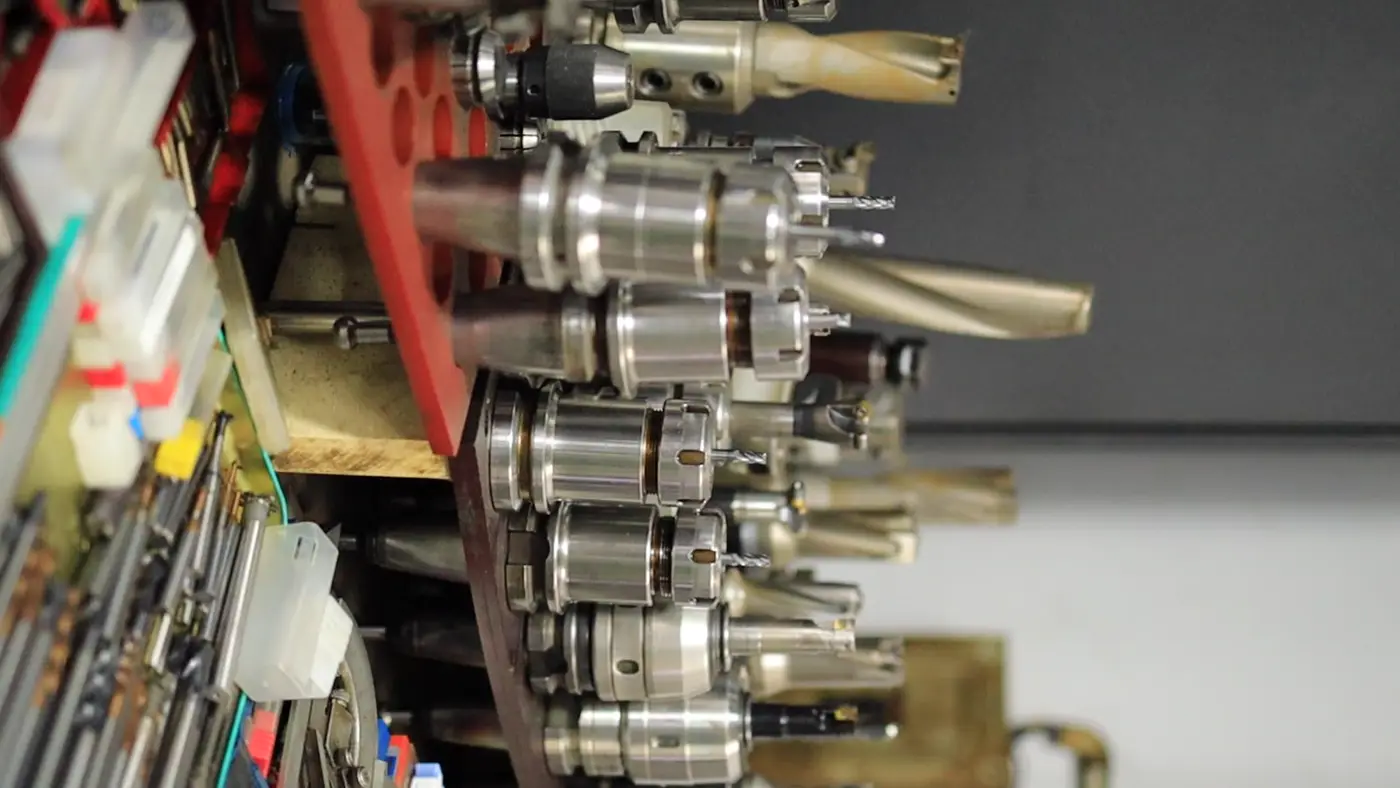
The master process should be chosen from the casting requirements backward.
Start with the feature that can make the project fail
Ask which of these matters most:
- cosmetic surface finish;
- tiny lettering or texture;
- dimensional fit;
- deep organic geometry;
- master size;
- master strength during silicone demolding;
- cure compatibility with platinum RTV;
- turnaround and revision speed.
A 40 mm logo candy cavity and a 900 mm animal sculpture should not be forced through the same master strategy.
CNC master: best when geometry is machinable and dimensions matter
CNC machining is attractive for:
- flat trays and cavities;
- simple 2.5D reliefs;
- controlled radii;
- mating or sealing features;
- large flatness requirements;
- surfaces that can be polished mechanically.
Advantages include predictable geometry and no photopolymer cure-inhibition concern from the master itself. Limitations appear with deep organic undercuts, inaccessible features or fine sculptural texture that would require complex multi-axis machining.
Material selection for the CNC master also matters. Aluminum, engineering plastics, tooling boards and other substrates have different finish, cost and durability.
SLA master: high detail with more chemistry control
SLA can reproduce:
- fine text;
- figurine details;
- organic surfaces;
- compound curvature;
- fast design revisions.
But the master is not ready simply because it came off the printer. Cleaning, post-cure, surface finishing and compatibility with the chosen RTV silicone must be verified. If a food-contact silicone mold is being developed, the master is process tooling; its own surface preparation still matters even though it is not the final food-contact article.
DLP master: similar decision, different equipment behavior
DLP can also produce fine details efficiently, particularly on smaller parts. Pixel/voxel behavior, build orientation and resin choice can affect the surface. As with SLA, cure compatibility and final finishing matter more than the printer label alone.
For buyers, it is more useful to ask "What finish and dimensional verification will the master receive?" than "Do you use SLA or DLP?"
Hybrid masters are often the best answer
A project can combine processes. Examples:
- CNC a flat tray base, then add printed decorative inserts;
- print an organic sculpture, then machine the mounting interface;
- scan a physical sample, rebuild the critical datums in CAD, then print the free-form master;
- use a replaceable CNC logo insert in a larger master family.
Hybrid construction can reduce rework if only one branding feature changes between SKUs.
Compare the options by production risk
| Question | CNC | SLA/DLP |
|---|---|---|
| Flatness / hard datums | Strong | Requires verification |
| Organic geometry | Can be expensive | Strong |
| Fine sculptural detail | Possible but toolpath-heavy | Strong |
| Fast cosmetic revisions | Moderate | Strong |
| Cure inhibition risk with platinum RTV | Low from machined substrate; coatings still matter | Must be evaluated by resin/process |
| Large master cost | Can rise quickly | Can require sections / assembly |
| Surface finishing | Machining/polishing marks | Layer/pixel/support finishing |
The table is a decision aid, not a universal ranking.
Example: 18-cavity chocolate mold
Suppose each cavity is a 40 mm round chocolate with a smiley relief. The tray requires repeatable spacing and a clean food-facing surface.
A sensible route might use a well-controlled CAD master or individual cavity masters with a polished finish. If SLA is used because the smiley detail is fast to prototype, the surface and resin compatibility must be validated before the RTV production mold is poured. If the tray layout and datum positions are critical to an automated fixture, CNC may become more attractive for the layout/master base.
The decision depends on the production interface, not only the artwork.
Master strength is part of moldability
RTV silicone can grip deep undercuts. A brittle or thin master projection may break during first demolding even if its print resolution is excellent. For fragile geometry, consider:
- stronger master material;
- removable master components;
- a different parting strategy;
- local plugs;
- changing the order in which master sections are removed.
What buyers should approve before mold making
Approve more than a rendering. For the master, define:
- CAD revision;
- critical dimensions;
- cosmetic surface standard;
- logo/text depth;
- allowed repair marks;
- parting-line relationship;
- master material/process;
- compatibility test if a photopolymer is used.
Photograph the final master before it enters the mold-making stage. That image is valuable if a later casting defect must be traced to the master or the silicone mold.
Migration note for the existing RUUIPON page
The existing master-material article should be rewritten rather than duplicated. It currently contains older commercial terms and broad claims. The stronger version should become the canonical comparison page and link out to the dedicated 3D-print preparation and SLA inhibition pages.
Next step
Send the CAD or reference images, identify the surface that matters most, and mark the critical dimensions. RUUIPON can recommend whether CNC, SLA/DLP, a physical sample or a hybrid master gives the lowest development risk for the mold you actually need.
Start your custom silicone mold project
Send your design, target material, and quantity. We confirm silicone grade, hardness, and certification needs - usually within 24 hours.