
Solution
Custom RTV Ice and Garnish Molds for Hospitality Service
RUUIPON develops custom ice and garnish molds for bars, hotels, restaurants and beverage brands. The design starts with the finished shape and the way your team will fill, move, cool, demold and clean the mold during service.
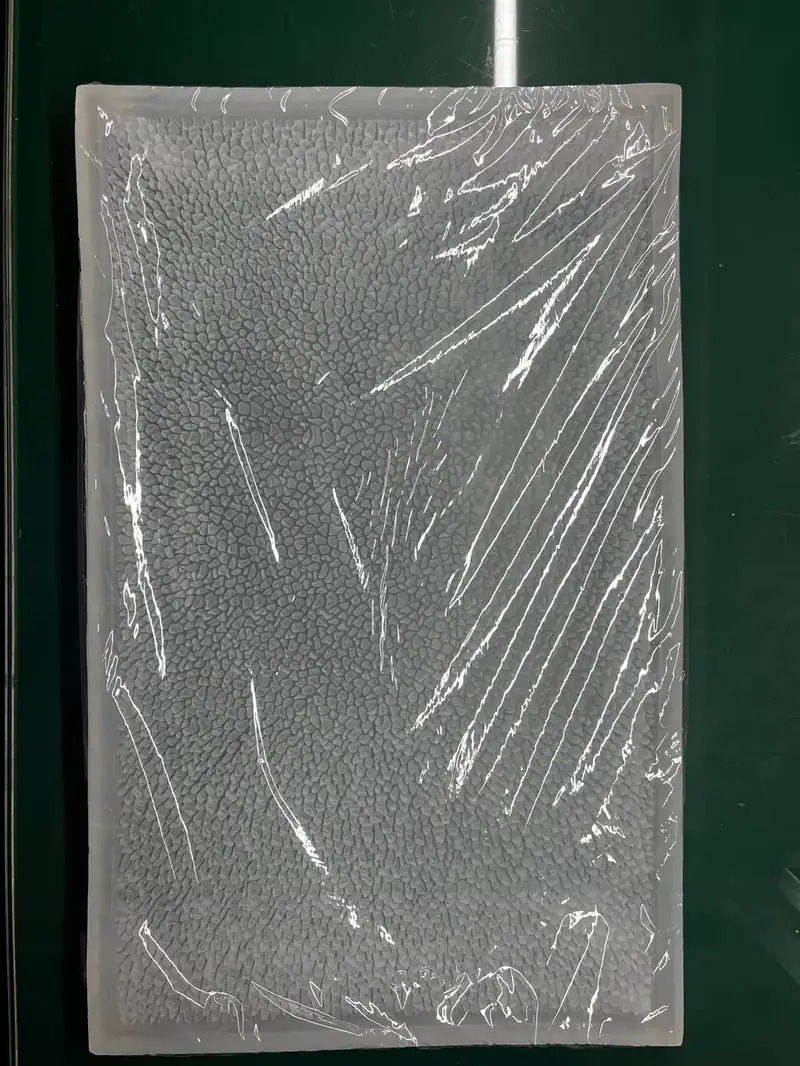
Send the ice or garnish dimensions, logo artwork, available storage space and intended workflow. We review the mold requirements and prototype scope before confirming the project quotation.
Plan Around Your Service Workflow
A useful hospitality mold needs to work at the station as well as reproduce the desired shape. Important requirements include:
- The finished ice or garnish size and appearance.
- Cavity count and output required per shift.
- Tray dimensions and available freezer or refrigerator space.
- How staff will support and move the filled mold.
- The release method and any lid or separate component.
- Cleaning conditions and handling between uses.
If the project is for several venues, include the requirements that must remain consistent across locations.
Shape, Logo and Mold Structure
Cubes, spheres, spears and detailed garnish shapes may require different mold structures. The design review considers the geometry, filling method, release path and handling requirements together.
For branded ice, provide vector artwork where available and show the intended logo position and size. The detail should be reviewed at the actual finished size rather than judged only from an enlarged image.
See custom ice molds for application details.
Check the Prototype Under Agreed Conditions
Define what the prototype needs to demonstrate before it is made. Relevant checks may include:
- Fit in the intended freezer or storage space.
- Filling and moving the mold with the planned support.
- Release of the agreed shape and logo.
- Handling by the staff who will use it.
- Cleaning under the conditions specified for the project.
The prototype and its agreed revision provide the reference for production approval. Any test-casting or service trial should be included in the project scope.
Material and Documentation Requirements
Tell us what will contact the mold, the use conditions, cleaning method and destination market. Include any procurement or retailer document requirements with the enquiry.
Available documentation is reviewed against the proposed material and application. Confirm what information is required before relying on a document for purchasing or product claims.
For more information, see food-contact silicone mold requirements.
What to Include in Your Enquiry
- Finished dimensions and the shape you want to produce.
- Logo artwork and the desired appearance.
- Cavity requirements and number of molds needed.
- Freezer, refrigerator or tray-space limits.
- Filling, cooling, release and cleaning methods.
- Any support, lid or handling requirements.
- Destination and document requirements.
Applicable custom RTV production starts from 20 molds per design. Prototype quantities and the project schedule are confirmed separately.
Frequently Asked Questions
Can one mold design be used at several venues?
The project can be reviewed around a common approved reference. Send the venue requirements, quantities and any differences in storage or handling so the scope can be confirmed.
Do spheres use the same mold structure as cubes?
The structure depends on the complete shape and release path. A change from a cube to a sphere should be reviewed as a design change rather than assumed to fit the same mold arrangement.
Can you review chocolate or other garnish applications?
Send the material, dimensions and use conditions. We will identify the relevant mold requirements and any prototype checks needed for the application.
What if I need a finished silicone product?
Tell us whether you need a mold or an item such as a silicone lid or drinkware component. Finished silicone products need a separate manufacturing review. See our manufacturing capabilities.
Discuss Your Hospitality Mold Project
Send the shape, artwork, space limits, quantity and service workflow. Include any current handling or release problem so it can be addressed during the design review.