Silicone Ice Tray: A Hand Press Is Not a Full Load
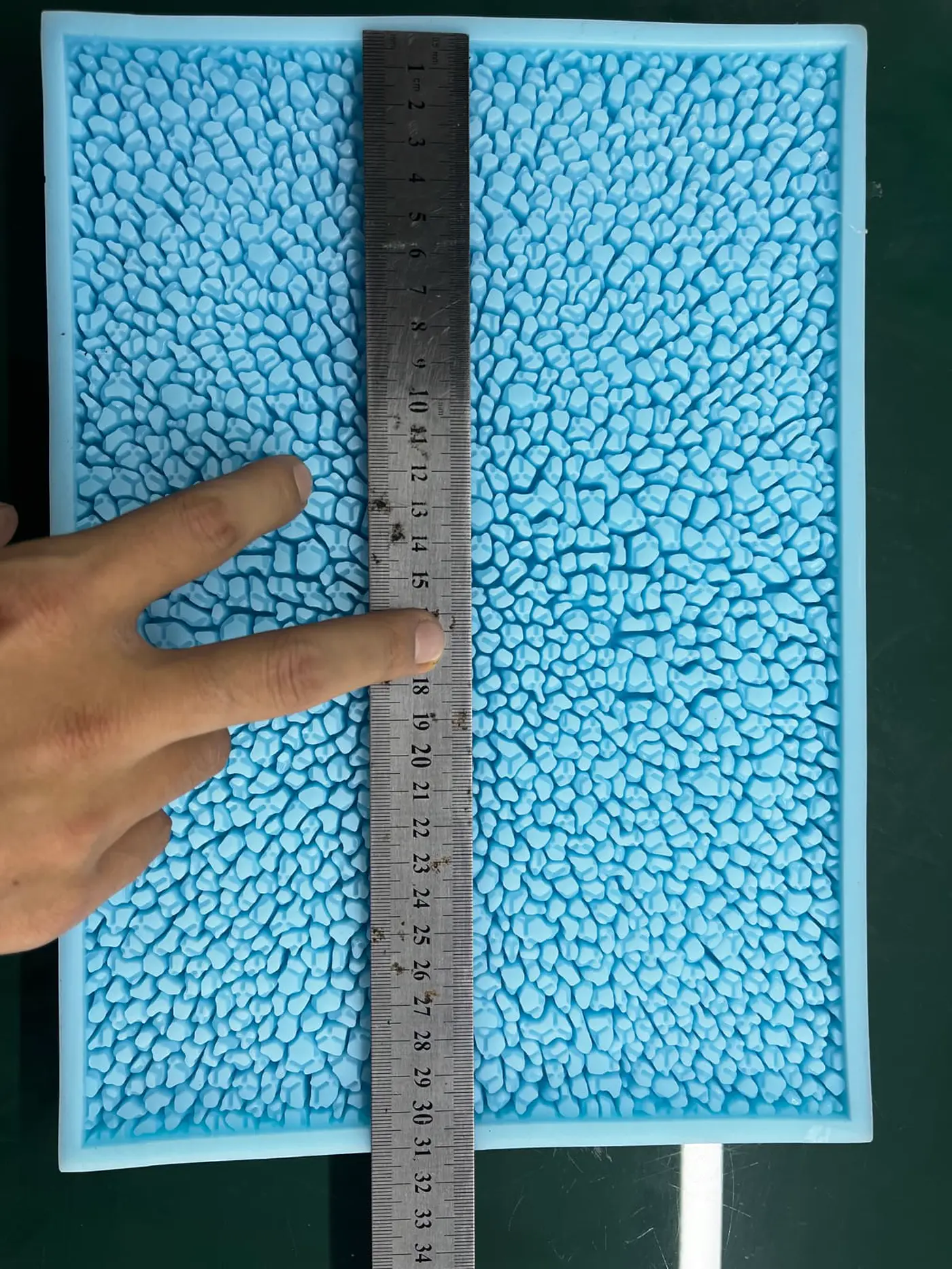
A hand on a square-cavity sheet shows the wall can take a push. It does not show a full tray of water or a cycle count. Send cube size and the full weight.
Read article -Custom silicone development · RTV mold MOQ from 20 · DFM & prototype support
RUUIPON publishes practical guides for buyers, designers and production teams working with custom silicone molds and molded silicone products.
Browse by the problem you are trying to solve: mold design, food and confectionery, materials and process, purchasing and RFQ preparation, troubleshooting or finished silicone manufacturing.
A broad DFM guide covering release, undercuts, splits, detail, multi-cavity layout, material selection and prototype validation.
The information that helps a supplier identify the correct mold structure, process, quantity and documentation requirements.
Understand when a flexible casting mold, compression tool or LSR tool fits the product.
Understand what food-contact documentation means and what to request for the destination market.
Use this cluster for one-piece vs two-part molds, undercuts and split molds, registration keys, wall thickness and support, edge radius, logo/text detail, tolerance and shrinkage, and DFM review.
One-piece vs two-part · Undercuts and split molds · DFM review
Use this cluster for gummy mold design, gummy size and cavity volume, chocolate molds, baking, ice and food-contact documents.
Use this cluster for platinum vs tin cure, vacuum degassing, cure time, RTV vs HCR/HTV vs LSR, and overmolding.
Use this cluster for RFQ preparation, low MOQ, lead time, custom vs off-the-shelf, factory sourcing, prototype to production, and ownership/reorder.
RFQ guide · Low MOQ · Custom vs off-the-shelf · Manufacturer
Use this cluster for common defects, tearing, resin bubbles, storage/warping, lifespan and cleaning.
Common defects · Resin bubbles · Storage and warping · Mold lifespan
Start with the Custom Silicone Mold Design Guide.
Start with Manufacturing Capabilities.
Use the Contact / RFQ page.
Need a flexible mold used to cast another material? Start with the Custom Silicone Mold Design Guide.
Need a finished silicone product? Start with Manufacturing Capabilities.
Need a quote? Use the Contact/RFQ page.
Latest articles · 407 guides · page 1 of 41 · 10 per page
Title preview

A hand on a square-cavity sheet shows the wall can take a push. It does not show a full tray of water or a cycle count. Send cube size and the full weight.
Read article -
One square soap cavity in a hand is a peel check. A loaf and a multi-cavity tray are different tools. Send bar size and whether this is cold process.
Read article -
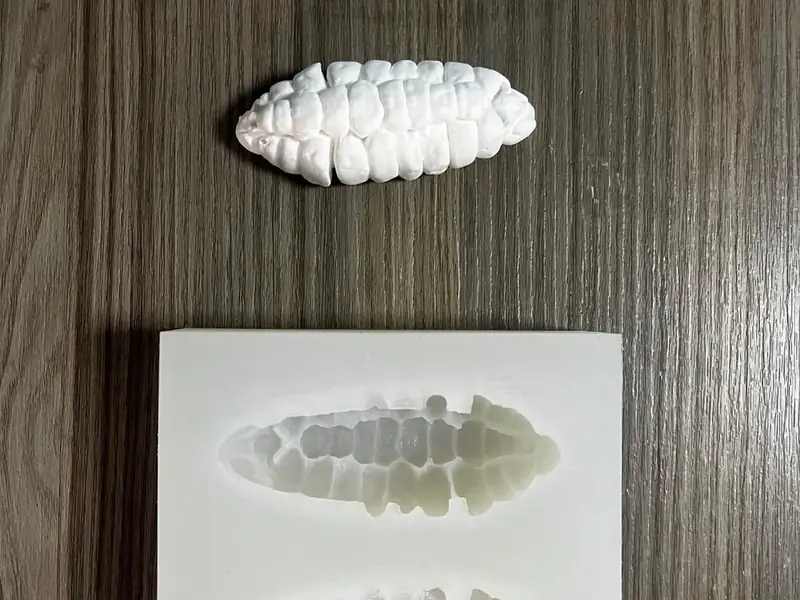
A mahjong face in an RTV tray can copy shallow strokes. The short is craft casting, not food contact, and not a 1:1 acceptance test.
Read article -
A brand candle mold starts from the silhouette and the release path. The short is a custom cavity job, not a catalog SKU and not a food tray.
Read article -
Size the cavity from the finished gummy weight, then lock depositor pitch before you add cavities.
Read article -
FDA 21 CFR 177.2600 and LFGB sections 30/31 are different tests. A report for one market does not cover the other.
Read article -
Prepare a custom silicone mold RFQ with the files, dimensions, application, material, quantity, prototype criteria, document needs and shipping details a supplier needs to quote the correct manufacturing route.
Read article -
Silicone baking molds do not share one oven number. Check the compound data sheet, the time in the oven, and whether the filled tray stays flat.
Read article -
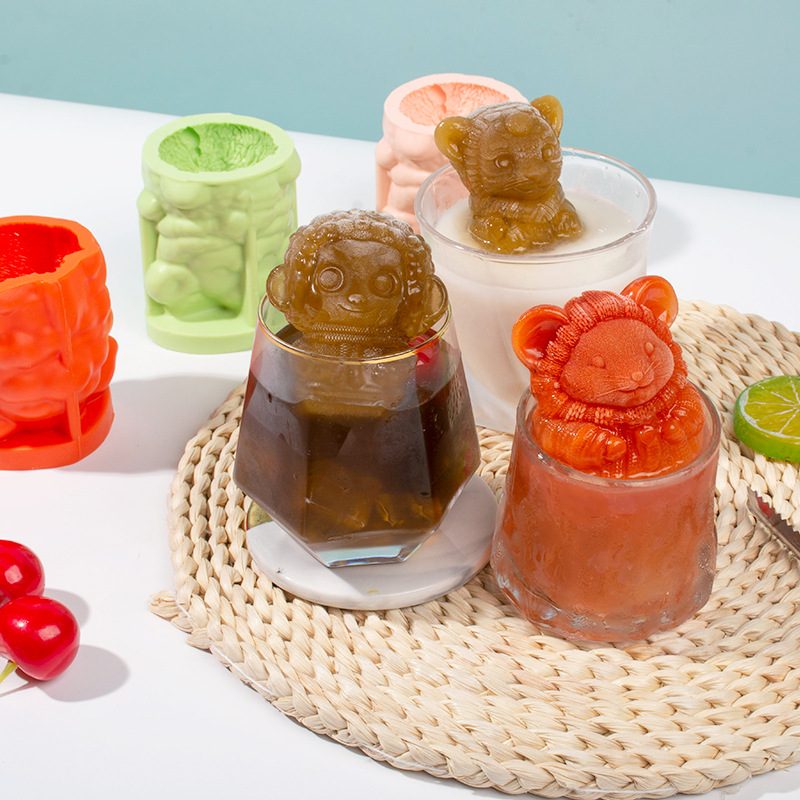
Size the cube, the lid or split, and how the full tray leaves the freezer. A logo on a stock tray is a different job.
Read article -
Bar, loaf, and logo trays are different tools. Name the soap process and the finished bar before Shore A.
Read article -Send CAD, drawings, photos or a sample. RUUIPON reviews custom silicone molds, HCR/HTV products and LSR parts before quoting.