
Custom Silicone Manufacturing · Shenzhen, China
Custom Silicone Casting Molds in Shenzhen
RUUIPON makes custom RTV silicone casting molds in Shenzhen. MOQ 20 per design. Prototype 3-7 business days after CAD lock. Send a drawing, photo, or CAD.
- 2018
- Founded in Shenzhen
- From 20 pcs
- Selected custom RTV mold projects
- Project-specific
- Prototype schedule confirmed after review
- Food-contact documents
- Scope confirmed for material and intended use
Main custom mold lines
Gummy, chocolate, and related molds
Six lines we quote most often. Open a product page for cavity, fill, and document notes. Wax melt and resin sit with the wax melt molds and resin molds. Food-safe documentation is on food-safe silicone molds. The quote path is the manufacturer overview.
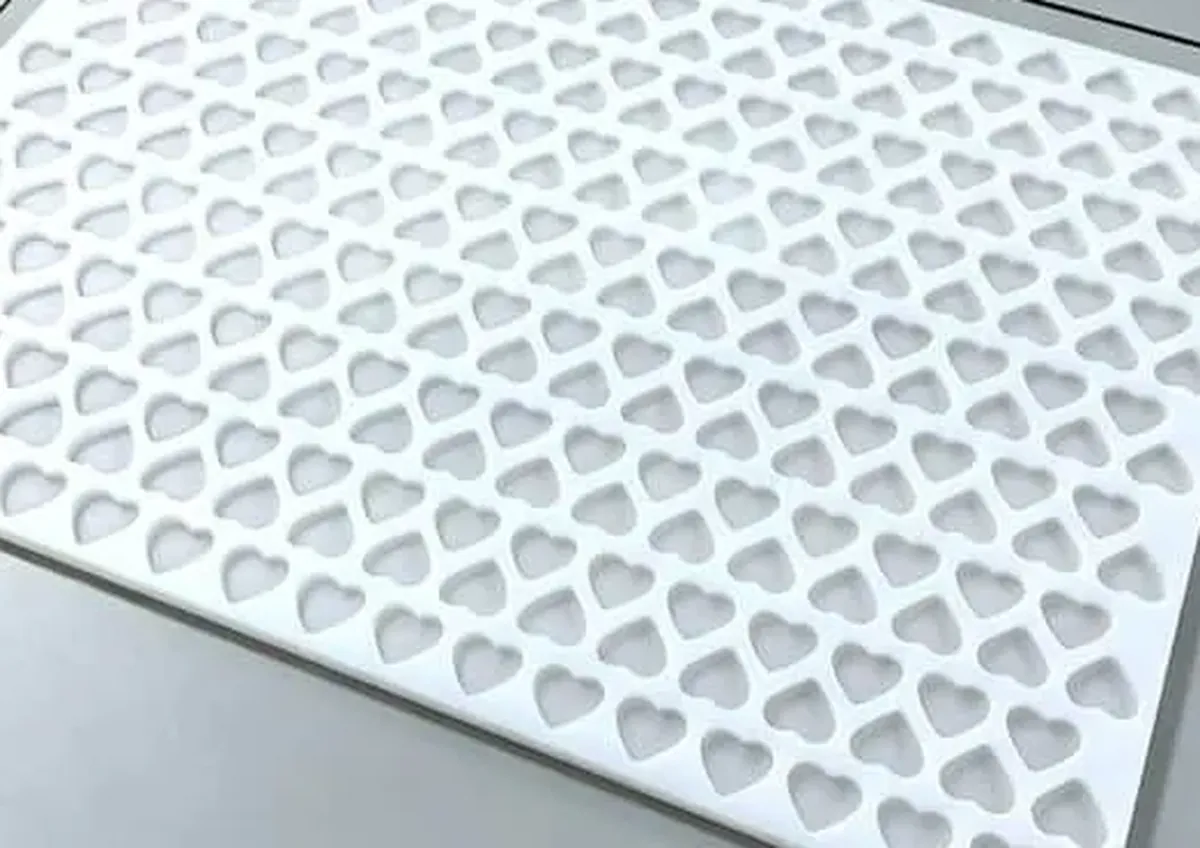
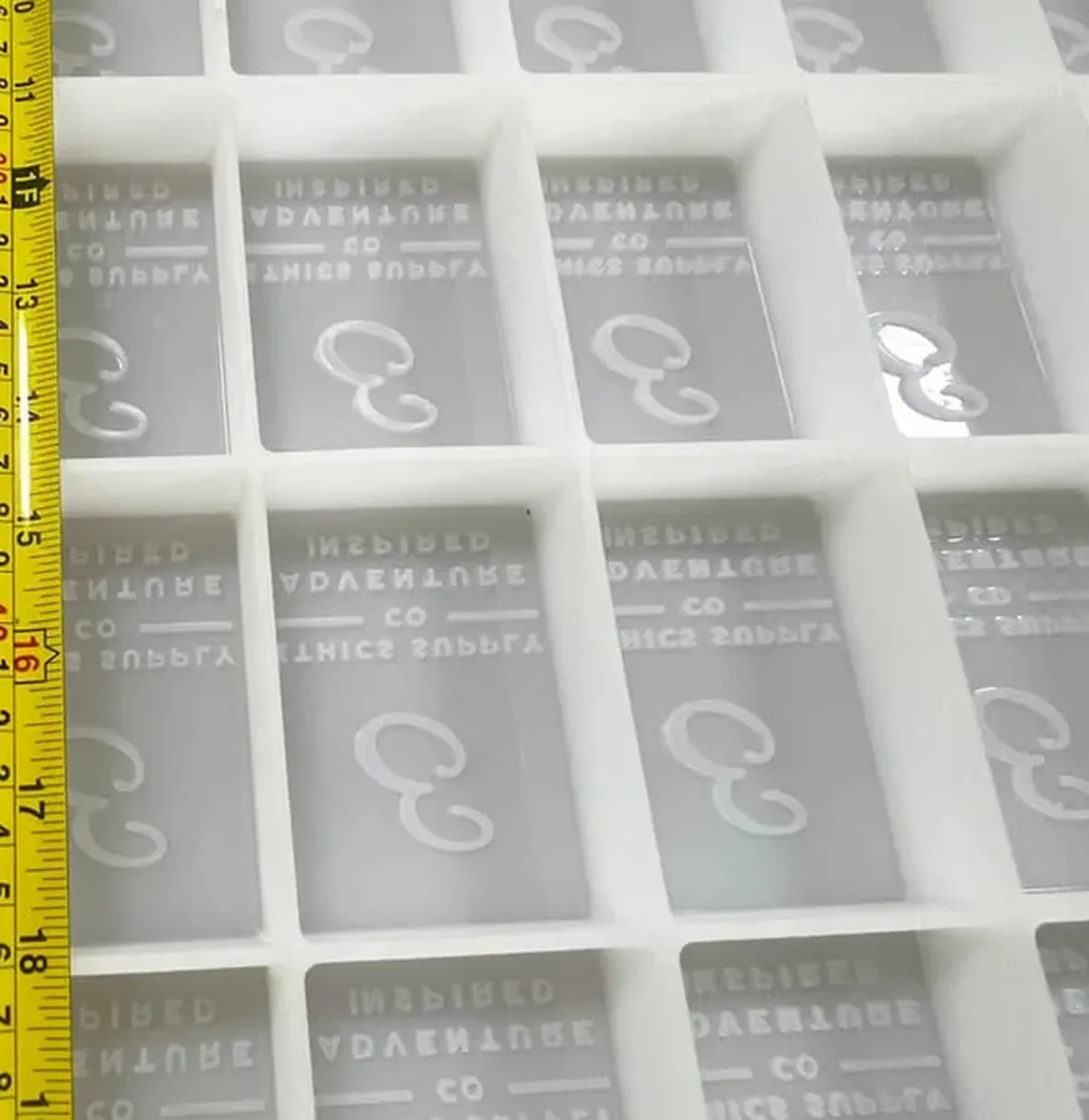
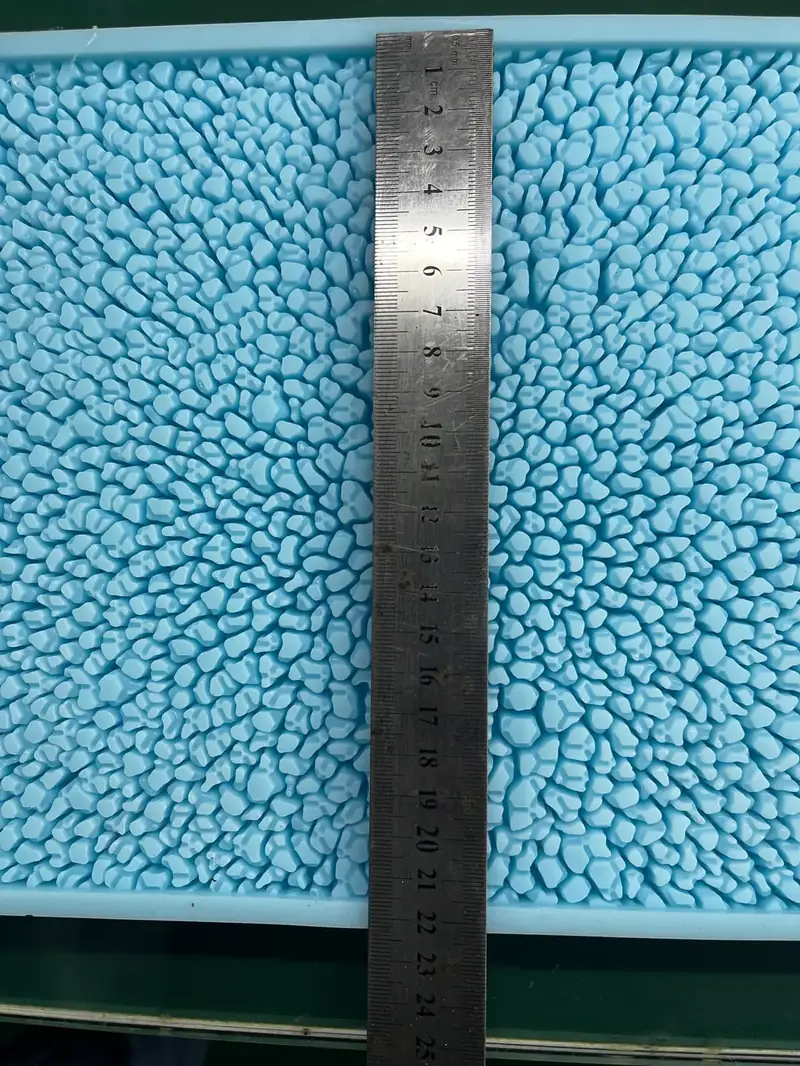
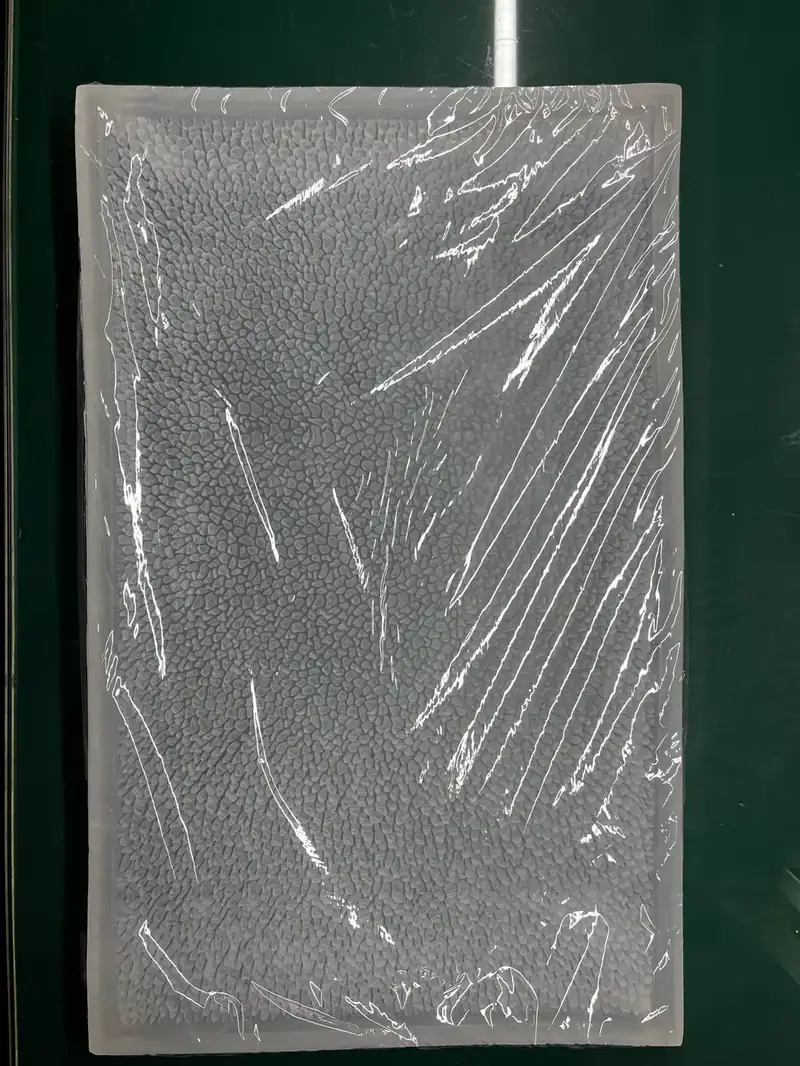
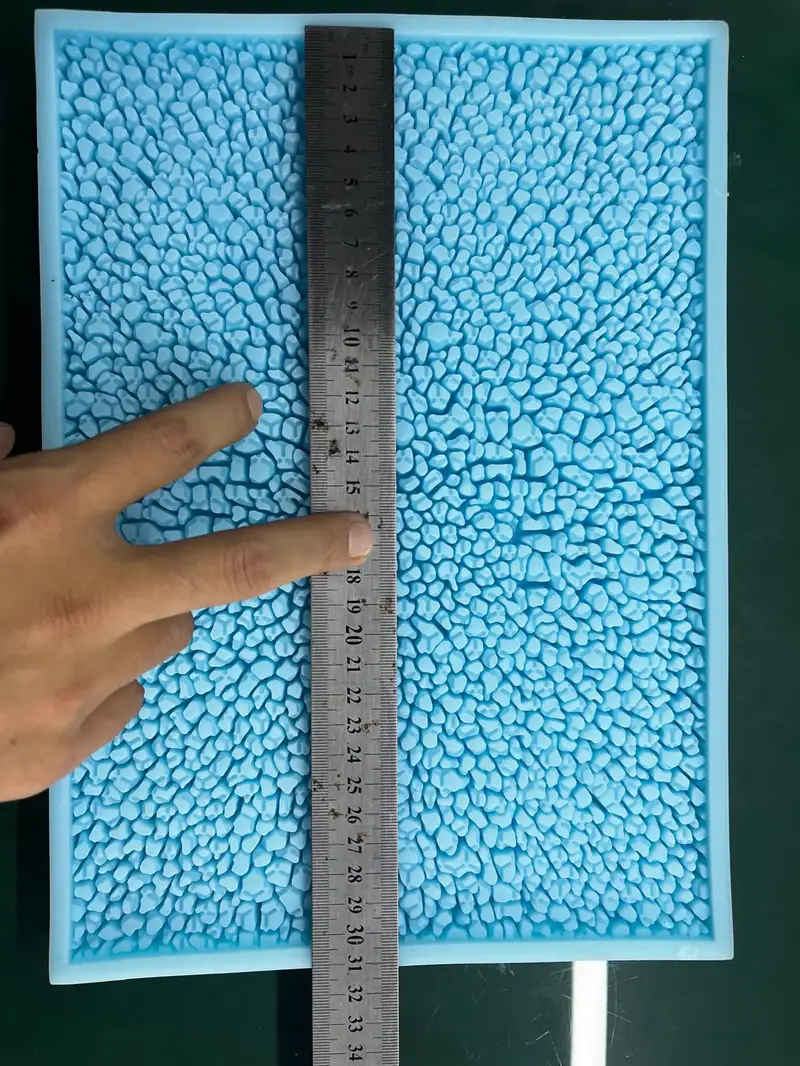
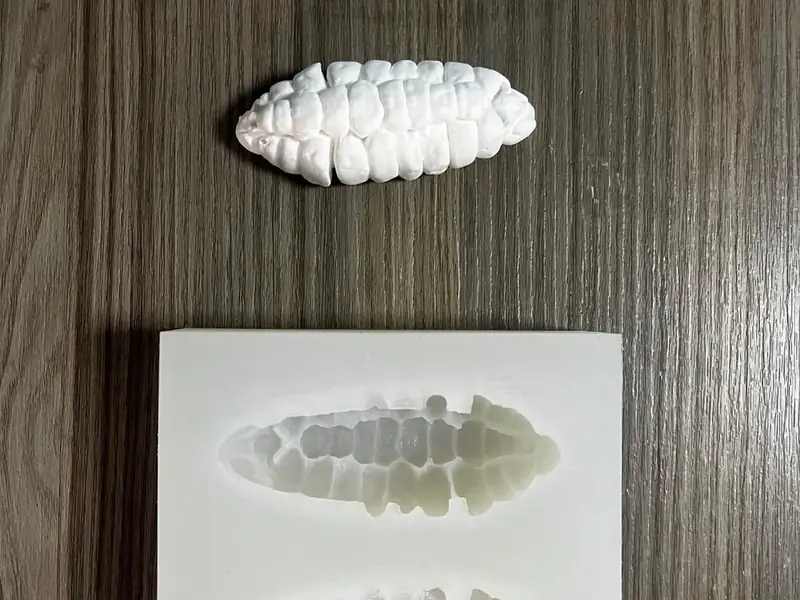
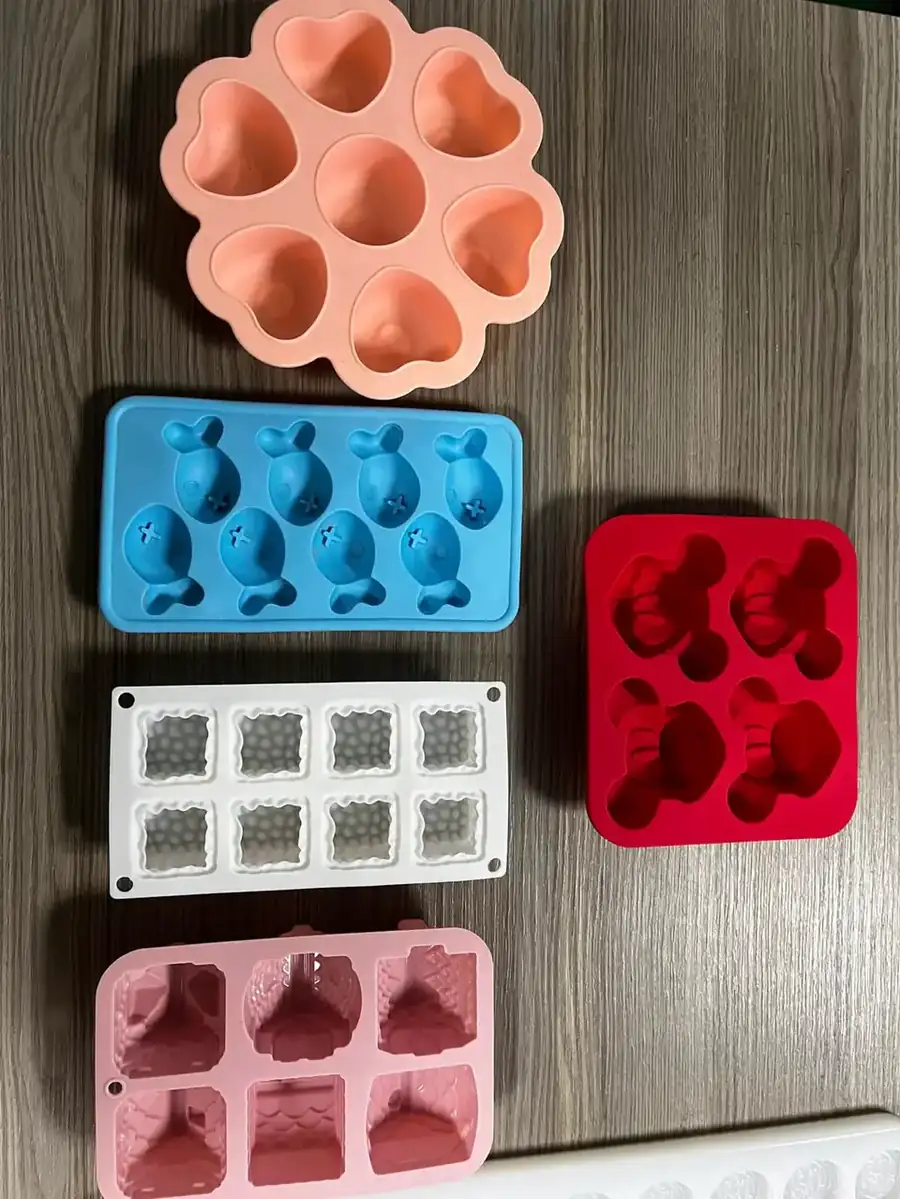
RUUIPON makes custom RTV silicone casting molds in Shenzhen. You pour gummy, chocolate, resin, wax, soap, plaster, or ice into the cavity. MOQ is 20 per design. A prototype is 3-7 business days after CAD lock.
Send a drawing, photo, sample, or CAD, plus what you pour and how many molds you need. The quote path is the manufacturer page. Pick the pour on mold products.
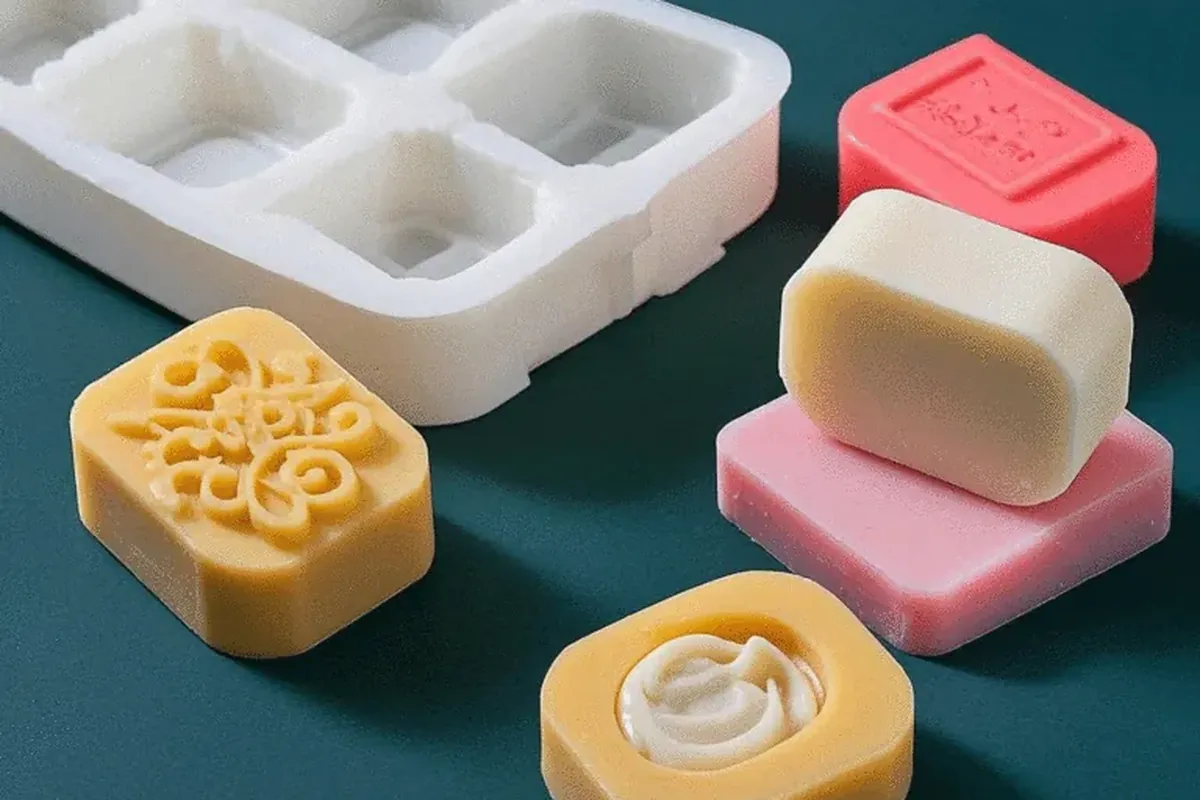
What Are You Trying to Make?
01
A Flexible Mold for Casting Another Material
Use this route when the silicone mold will be filled with gummy, chocolate, resin, plaster, wax, soap, water, batter or another compatible casting material.
RUUIPON can review cavity geometry, release direction, mold structure, tray support, branding and production layout before the mold is repeated.
02
A Design or Prototype Before Production
You do not need perfect production CAD to start a discussion.
A sketch, sample, photo set or rough model can be enough for an initial DFM review. If new geometry must be created, the design scope and approval point should be defined before tooling begins.
03
A Food-Contact Mold
For gummy, chocolate, baking, ice and other food-contact projects, material selection and documentation need to match the actual use and destination market.
04
A Finished Silicone Product or Component
If the finished item itself is silicone, the project may require HCR/HTV compression molding, LSR injection molding or an overmolding route rather than an RTV casting mold.
The right choice depends on part geometry, material, volume, tolerance needs, inserts and how the product will be assembled or used.
Manufacturing Routes We Can Review
01
RTV Silicone Mold Manufacturing
Flexible molds used to cast another material. Mold structure may be one-piece, split, cored or supported depending on the geometry and casting process.
02
HCR/HTV Compression Molding
For suitable finished silicone products and components produced in heated compression tooling.
03
LSR Injection Molding
For suitable liquid silicone rubber parts where geometry, repeat production and process requirements justify an injection-molding route.
04
Silicone Overmolding / Insert Molding
For projects where silicone must be integrated with a compatible insert or substrate.
Start From the Information You Already Have
A useful project review can start from any of the following:
- STEP/STP or other production CAD;
- STL or mesh geometry for sculptural parts;
- 2D drawings with key dimensions;
- a physical sample that can be measured;
- a sketch plus dimensions;
- clear photos and reference images when the design is still being defined.
If the project is confidential, tell us before sending the complete design so the NDA requirement can be addressed first.
What We Review Before Tooling
01
1. The Delivered Object
Are you buying a flexible casting mold, a finished silicone part, metal tooling, or a silicone-overmolded assembly?
02
2. Geometry and Release
We review undercuts, deep features, fragile details, parting strategy, support and the real demolding or assembly path.
03
3. Material and Use
The material choice must fit the application, not a generic hardness or "food-grade" label.
04
4. Prototype Risk
The prototype should prove the features most likely to create cost or production problems: fit, cavity weight, logo detail, release, support, assembly or another project-specific requirement.
05
5. Production Handoff
Repeat production should reference the approved design revision and the acceptance criteria that matter to the project.
Applications
01
Food & Confectionery
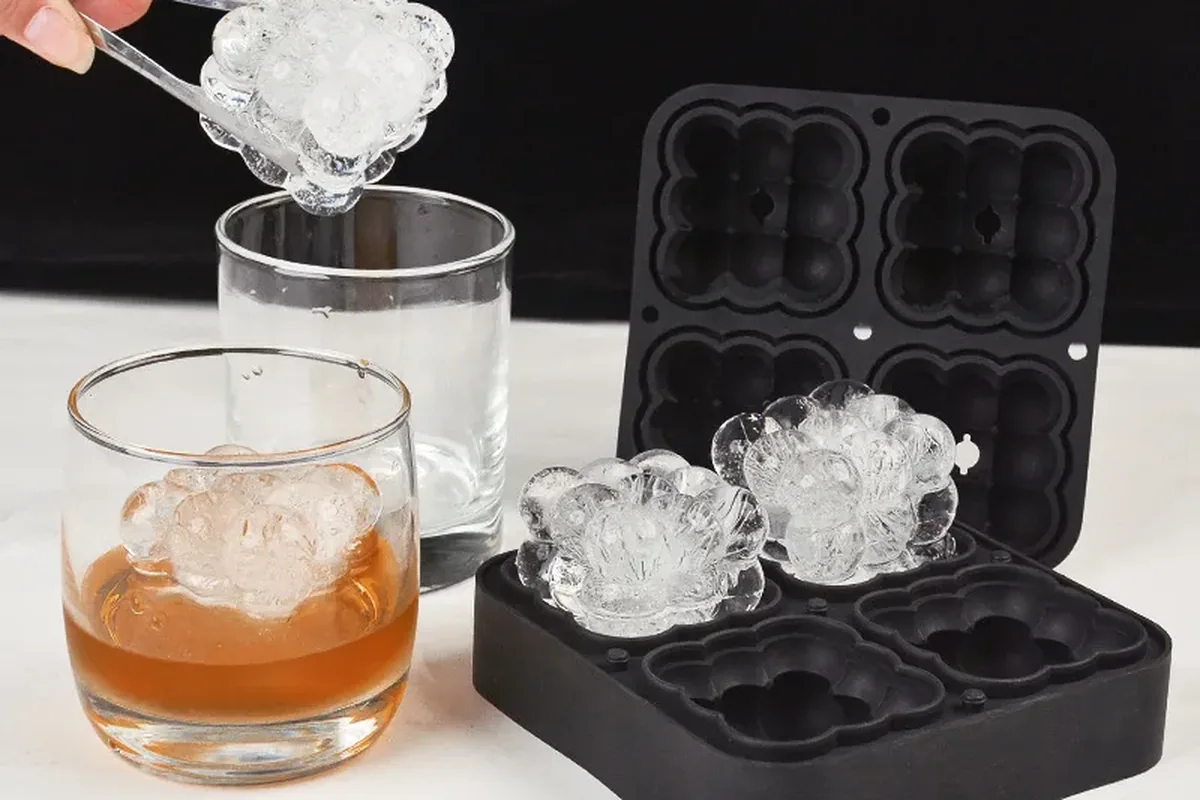
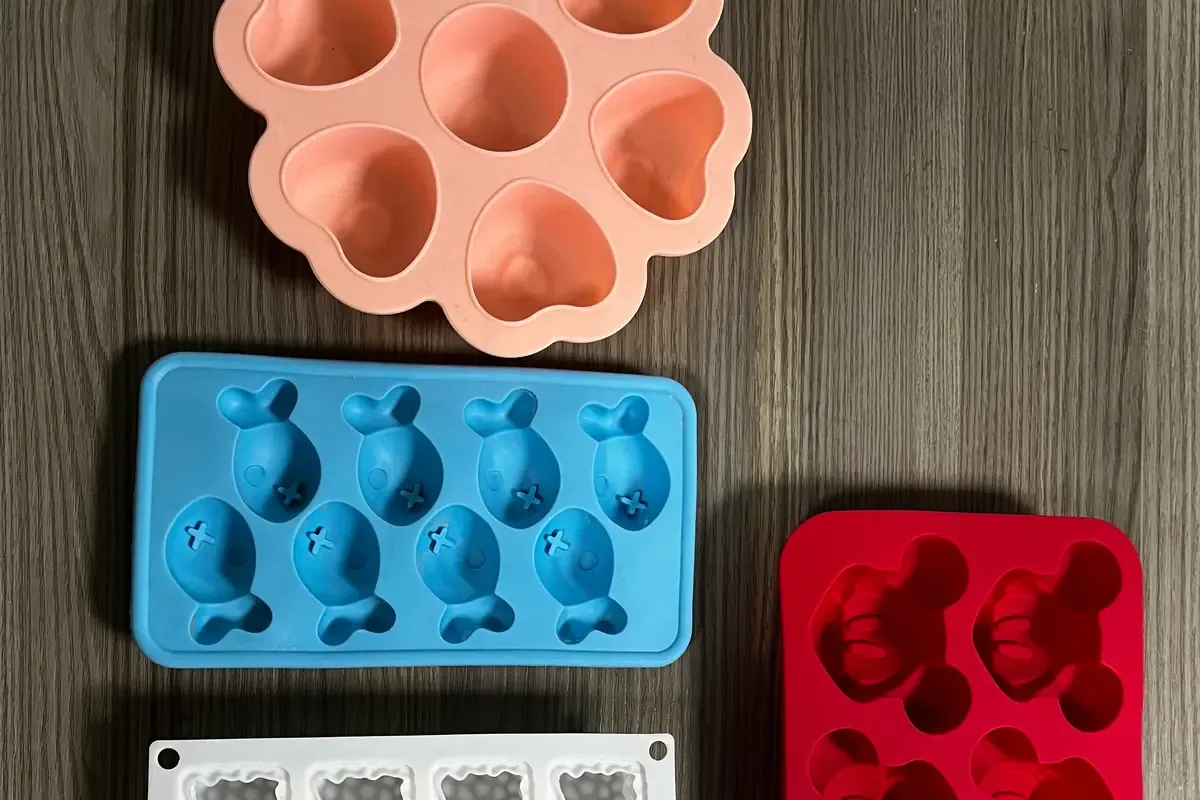
Custom molds for gummy, chocolate, custom baking molds, ice, and candy. Food-safe means the compound and the finished mold are documented for that food: food-safe silicone molds.

02
Resin, Craft & Decorative Casting
Flexible molds for resin, plaster, and concrete and cement.
03
Custom Silicone Products
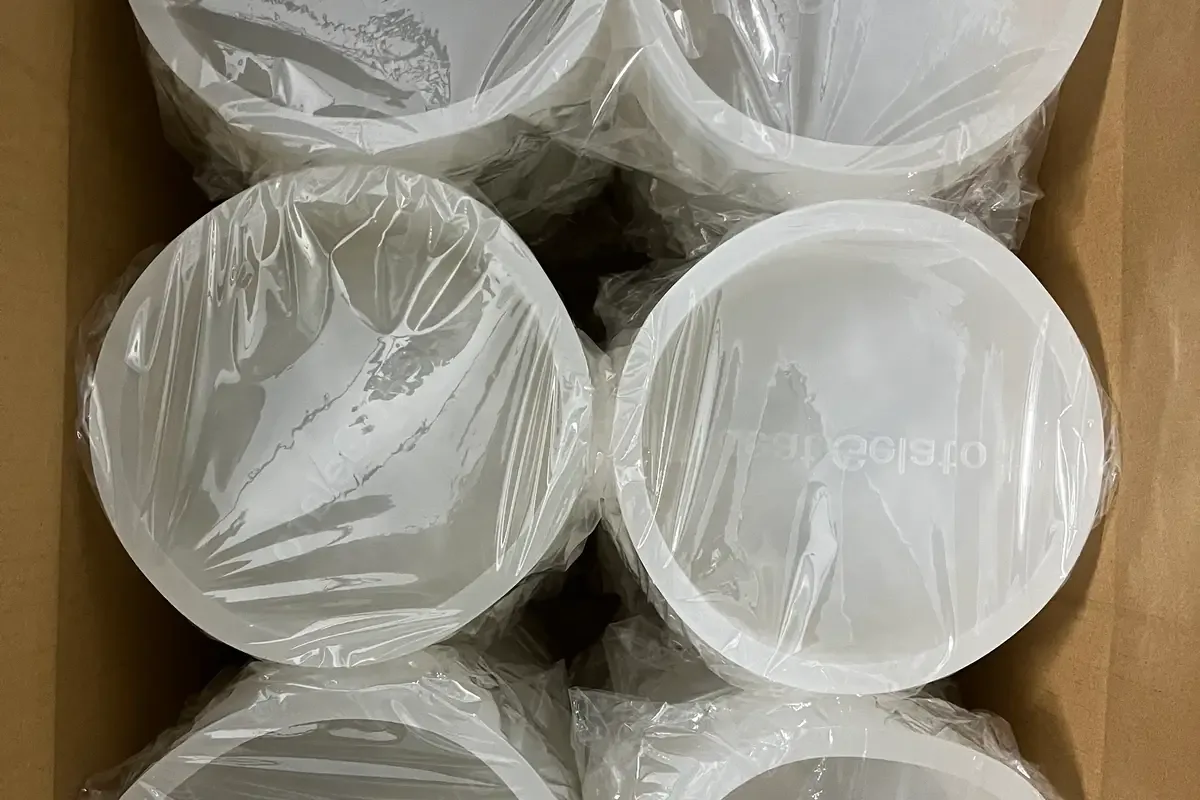
Finished molded silicone components and products where HCR/HTV, LSR or overmolding is the appropriate route.
What Good Evidence Looks Like
A supplier claim is more useful when it can be tied to the specific project.
Depending on what you are buying, useful evidence can include:
- the legal company identity used on the quotation;
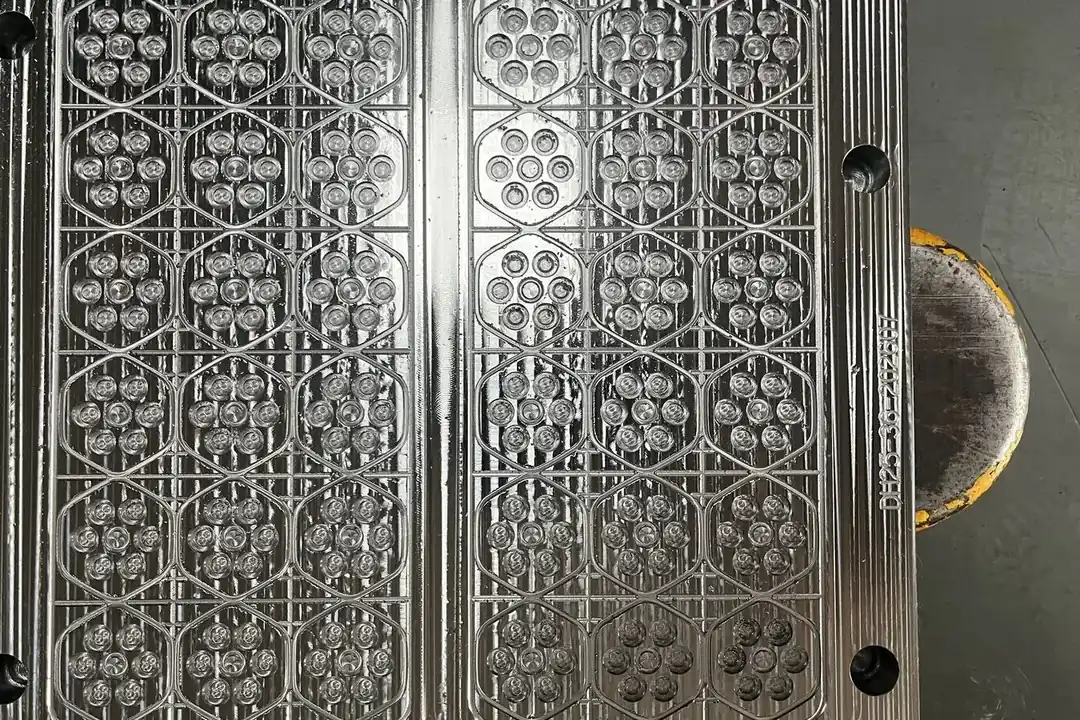
- photos of the relevant production process;
- the approved drawing or sample revision;
- material identification and applicable test documentation;
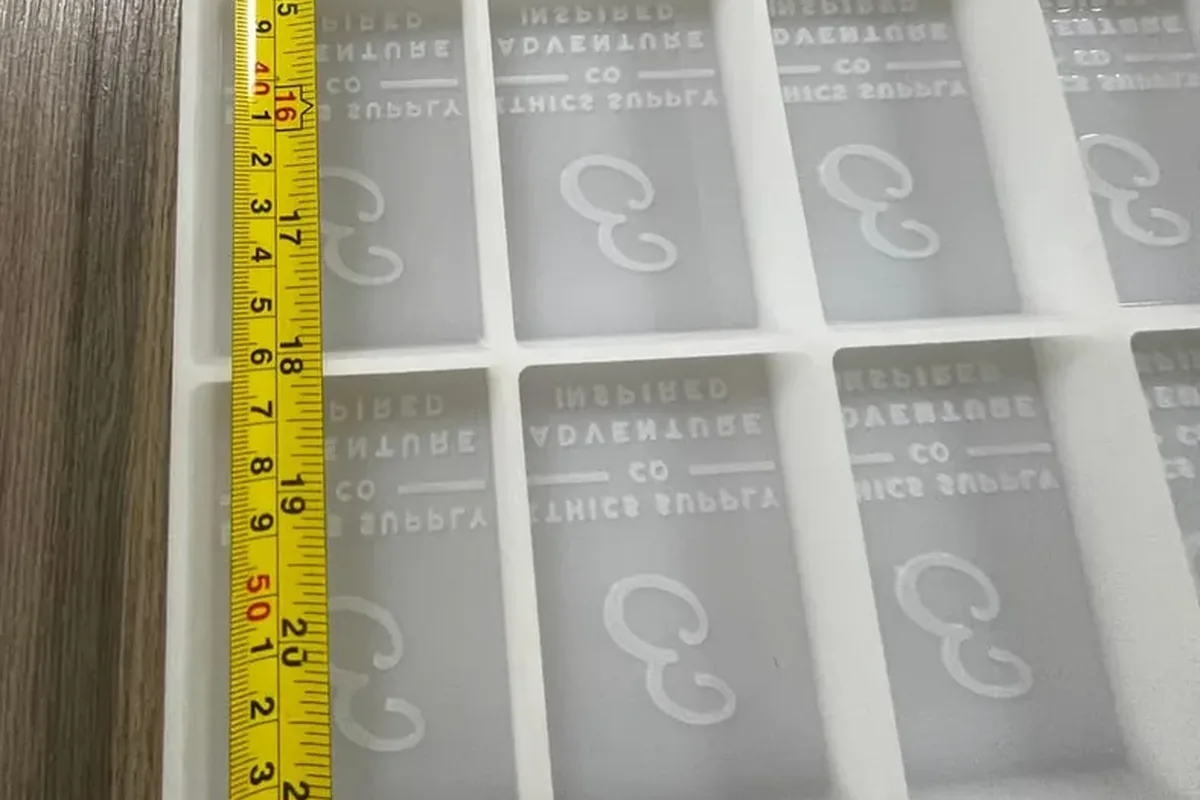
- prototype photos or measurements against agreed critical features;
- packing and shipping details for the final order.
If a document or test report matters to your purchasing decision, request it by name and confirm what material or article it actually covers.
A Practical Development Sequence
01
Send the Requirement
Tell us what you need to receive, how it will be used, what files or samples you have, and the expected quantity.
02
DFM and Process Selection
We review the object and recommend the manufacturing path before tooling is released.
03
Design / Tooling Preparation
Where geometry must be created or revised, approve the relevant drawing or model before manufacturing proceeds.
04
Prototype and Real-Use Check
Test the requirement that matters: fit, casting, release, piece weight, logo, support, assembly or another critical function.
05
Production After Approval
Production follows the approved revision and project-specific commercial terms.
Send Enough Information for a Useful First Review
Include:
- what you need to receive;
- drawing, 3D file, sample, sketch or photos;
- key dimensions;
- material or end-use;
- prototype and expected production quantity;
- critical requirements such as fit, piece weight, branding, inserts or documentation;
- destination country if shipping support is needed.
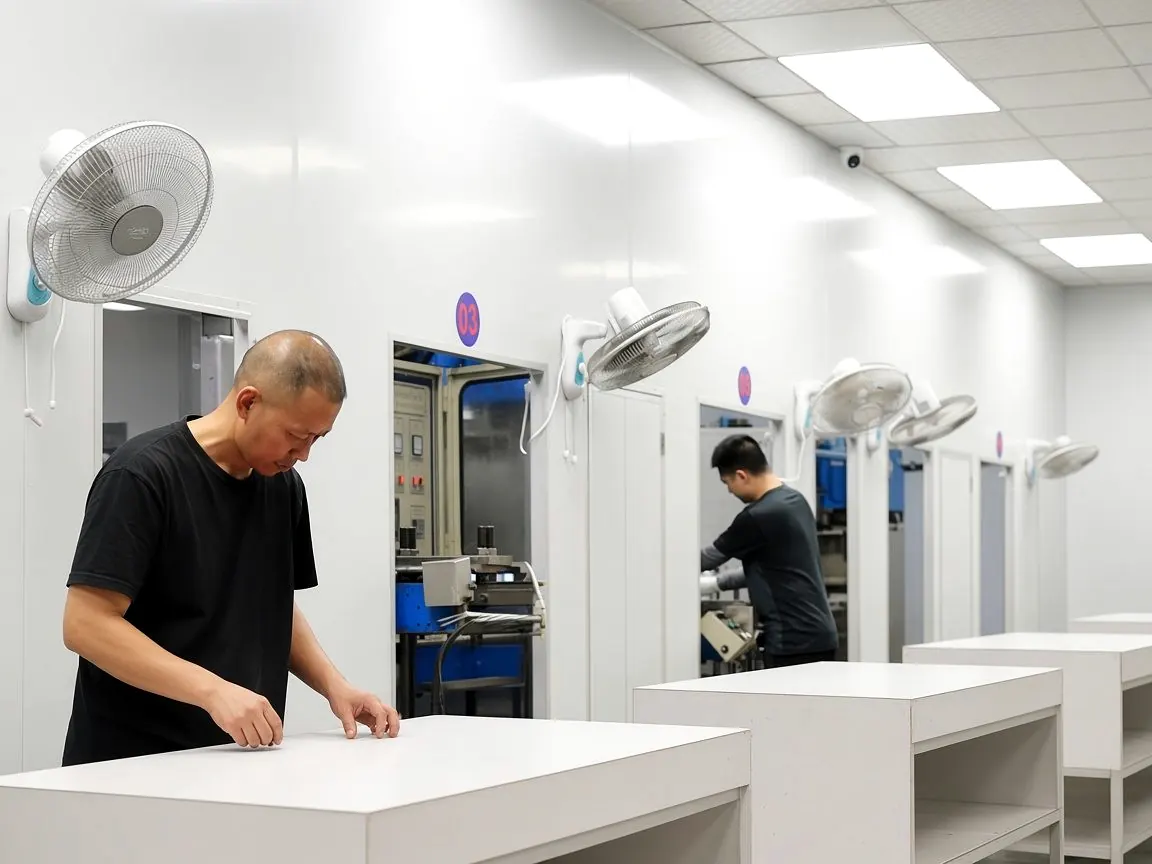
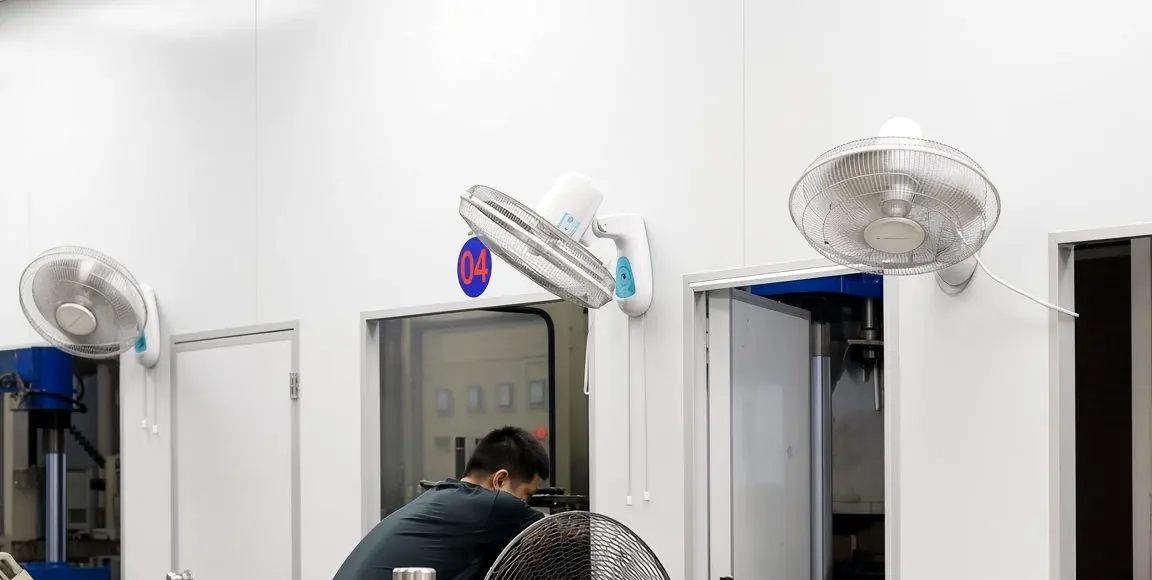
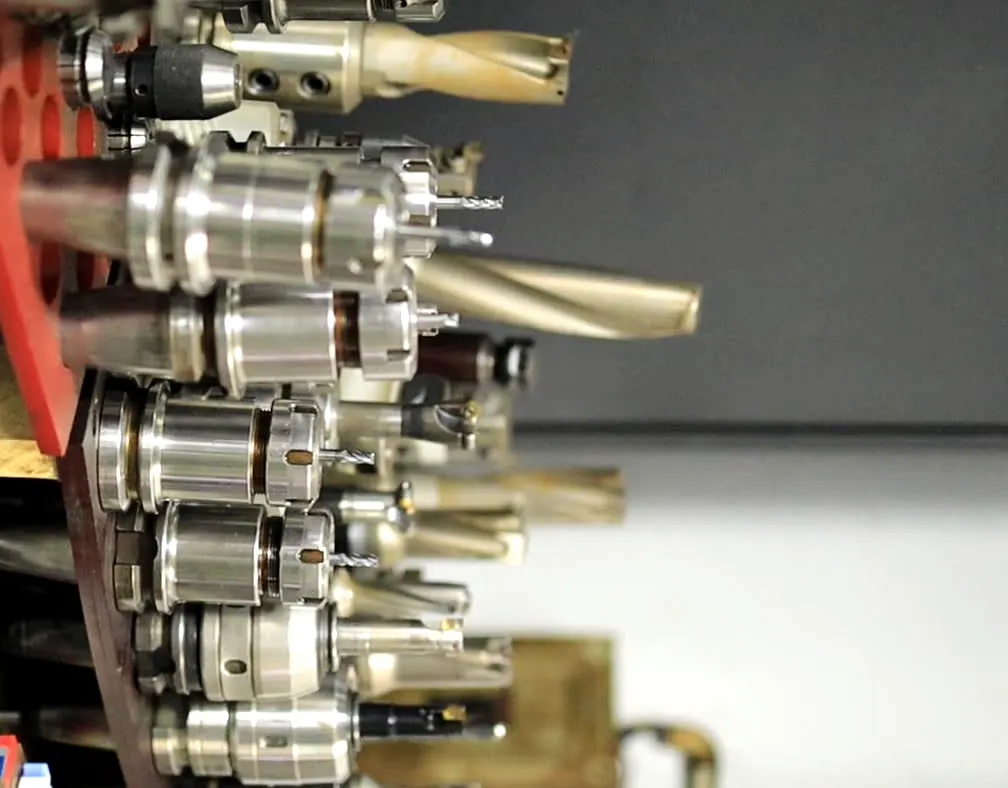
Shenzhen workshop since 2018
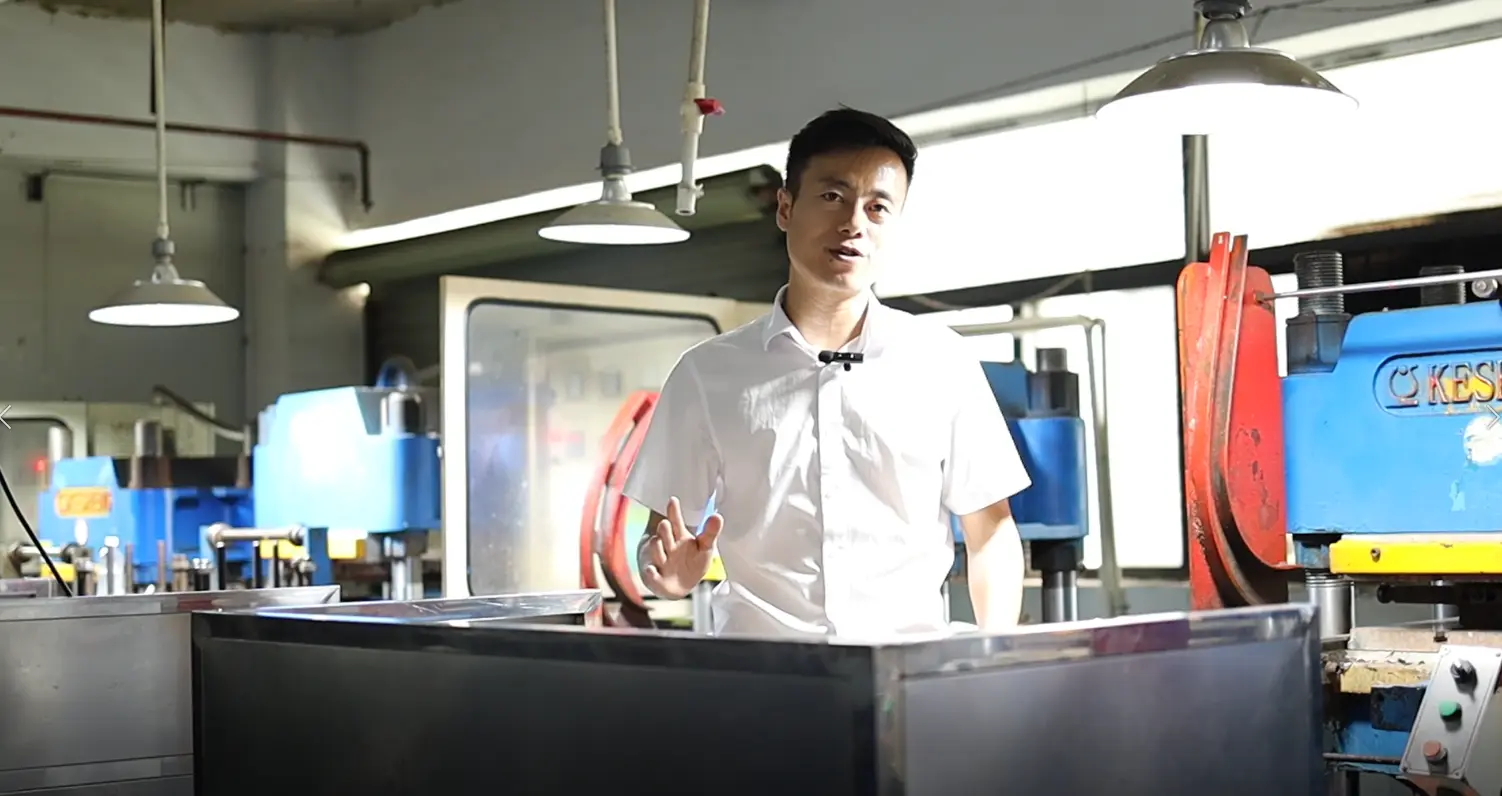
Real factory photos from RUUIPON
Bao'an workshop shots, framed on the finishing room, the press row, and the tool rack.
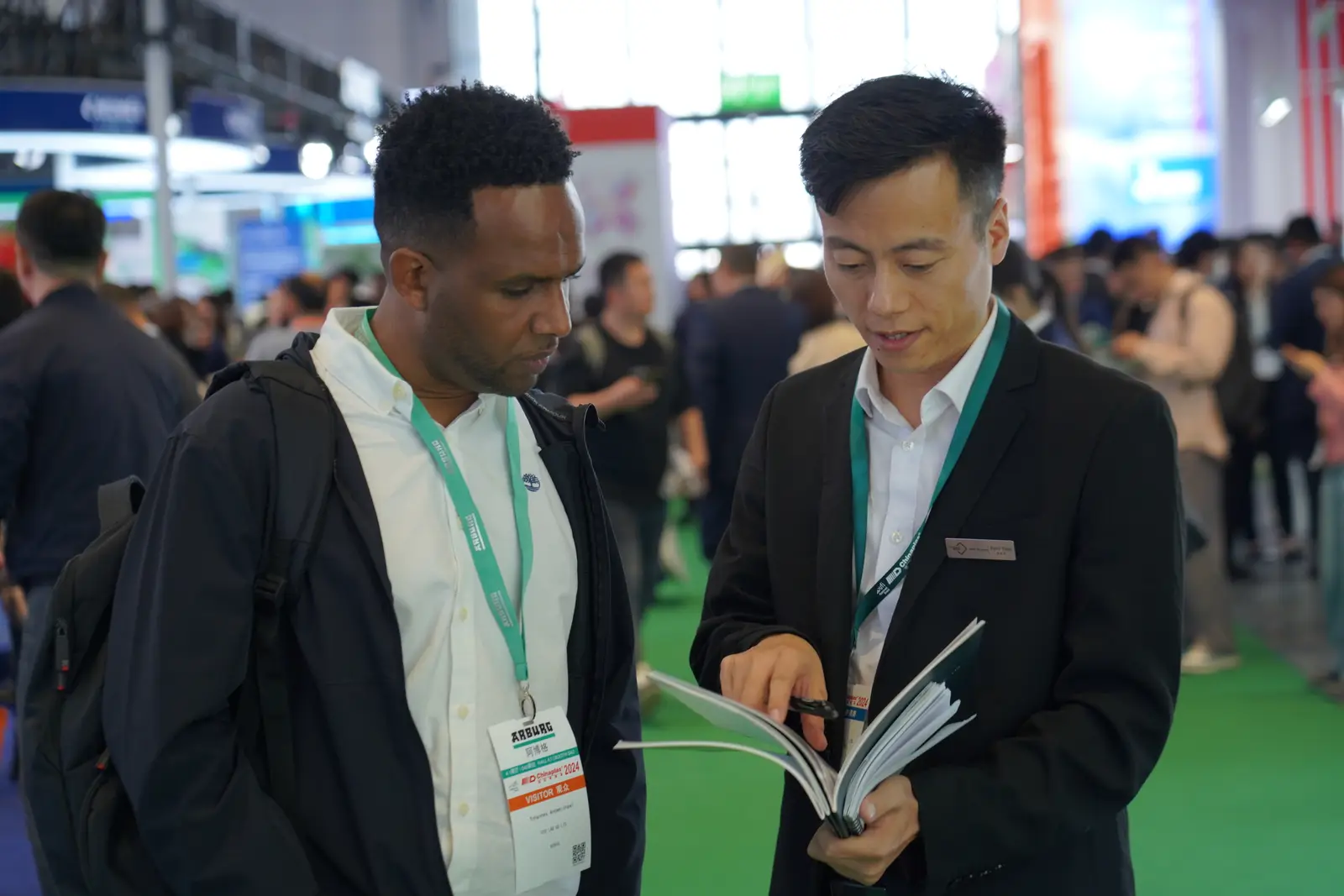
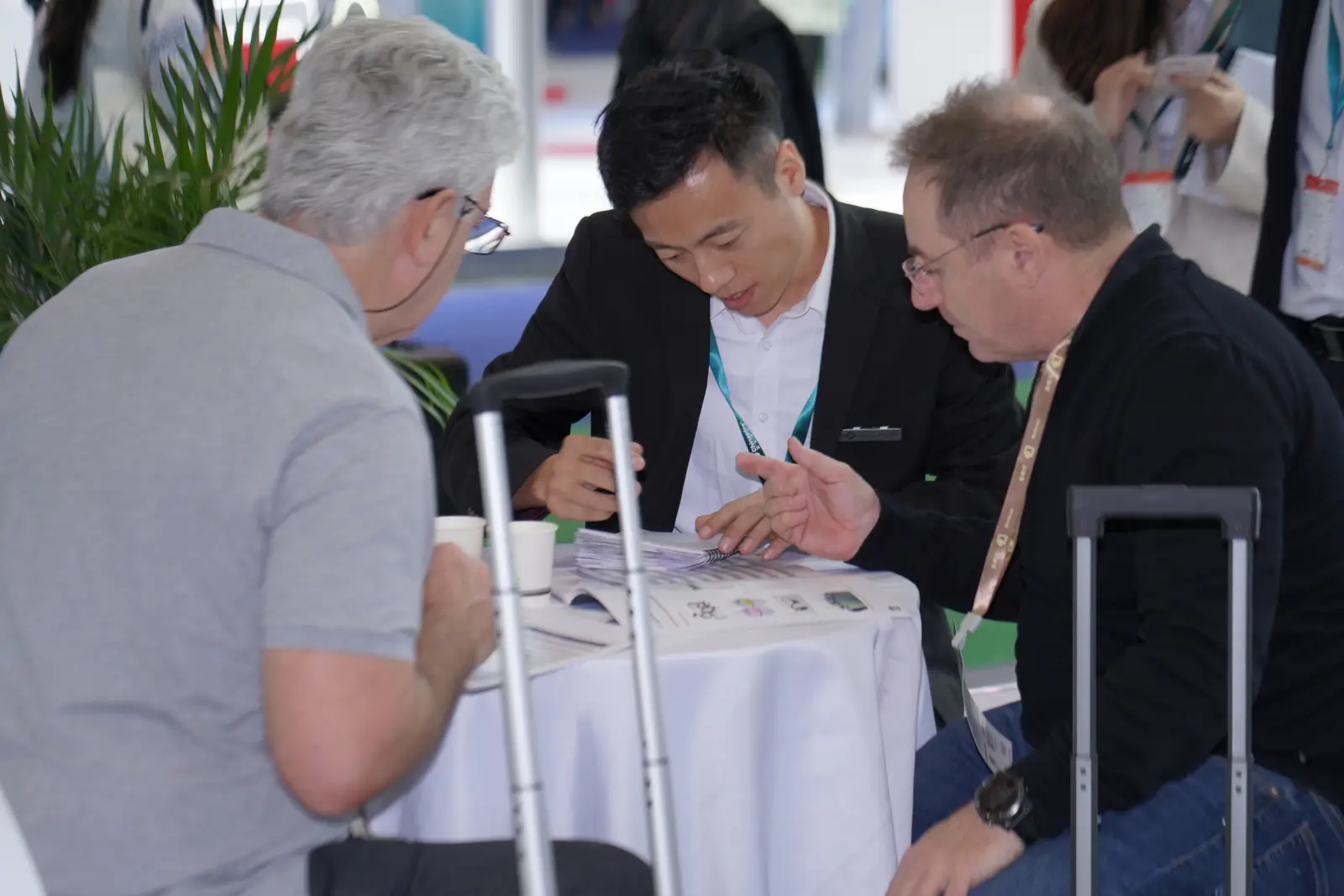
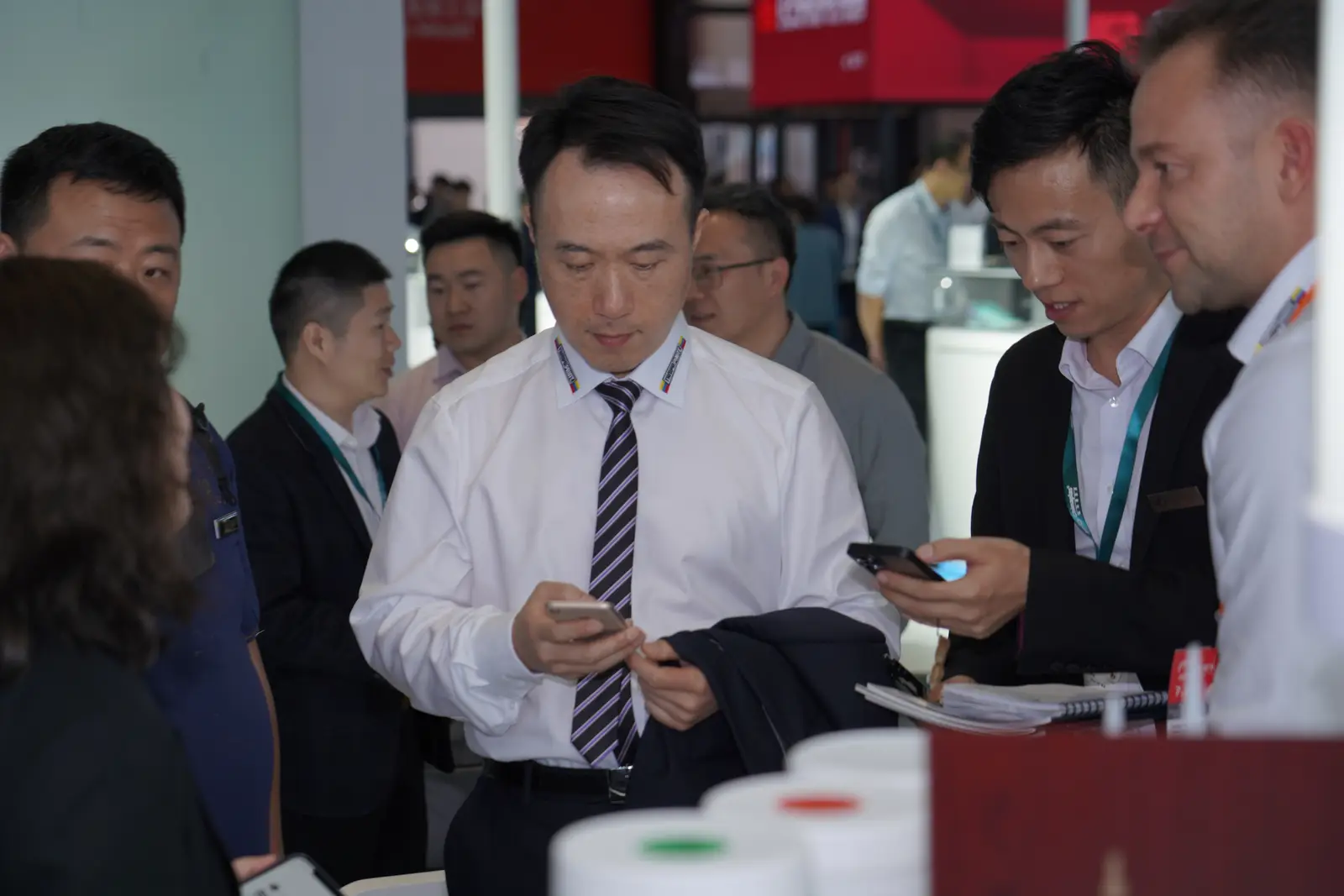
Meet buyers in person
Real exhibition meetings — not stock photos
Chinaplas and overseas trade shows: RFQ notes, sample reviews, and face-to-face mold discussions with brand buyers.
People behind the molds
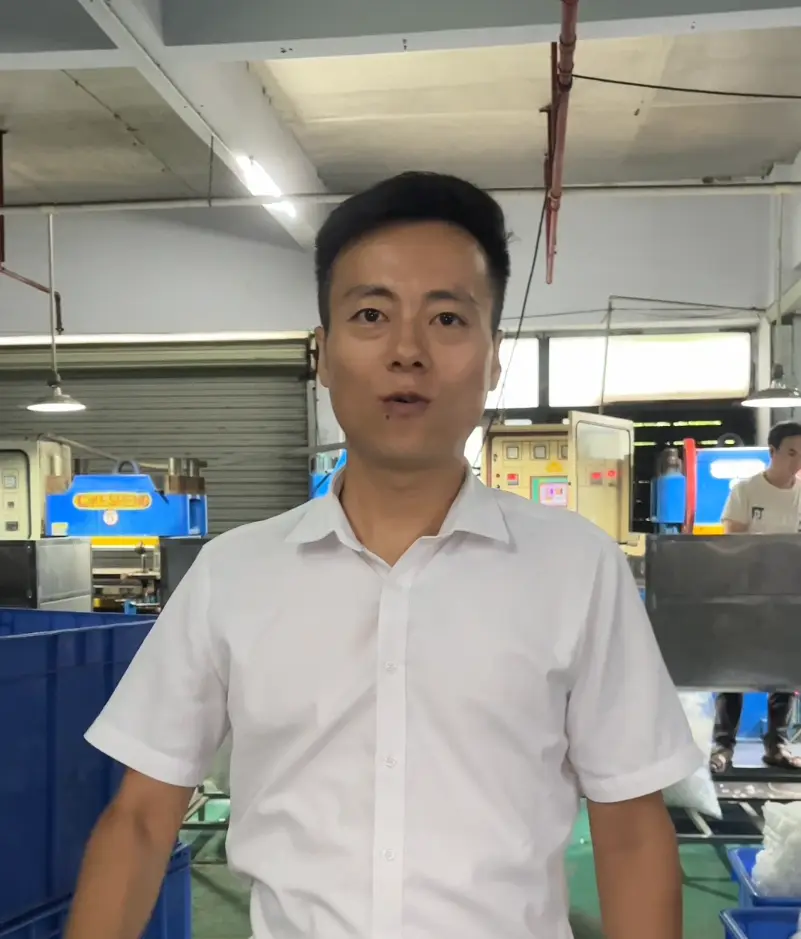
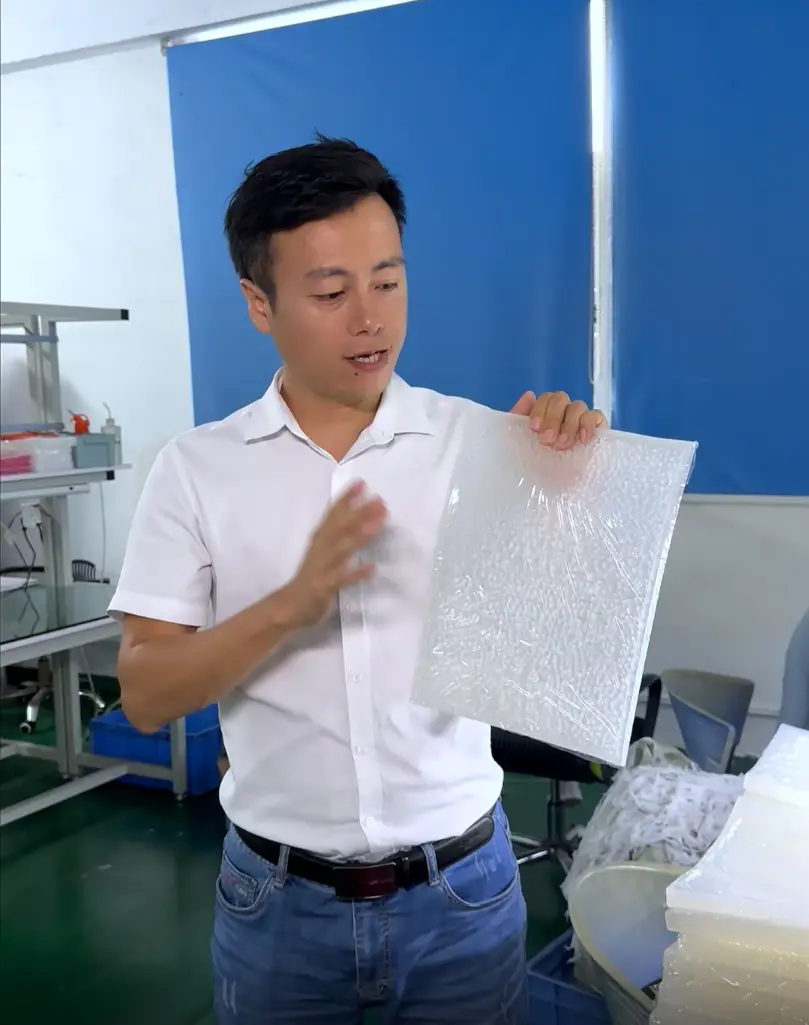
Shenzhen team — workshop, QC, and sample casting
Real faces from our Bao'an workshop: material checks, press-side walkthroughs, and food-grade demold samples.
Shop clips
Demold clips from the shop
Short phone clips from our floor. Tap Play to load one. Not a cycle-life claim.
Mahjong demold
The face leaves the cavity. Detail stays on the piece.
Peony / mousse finish
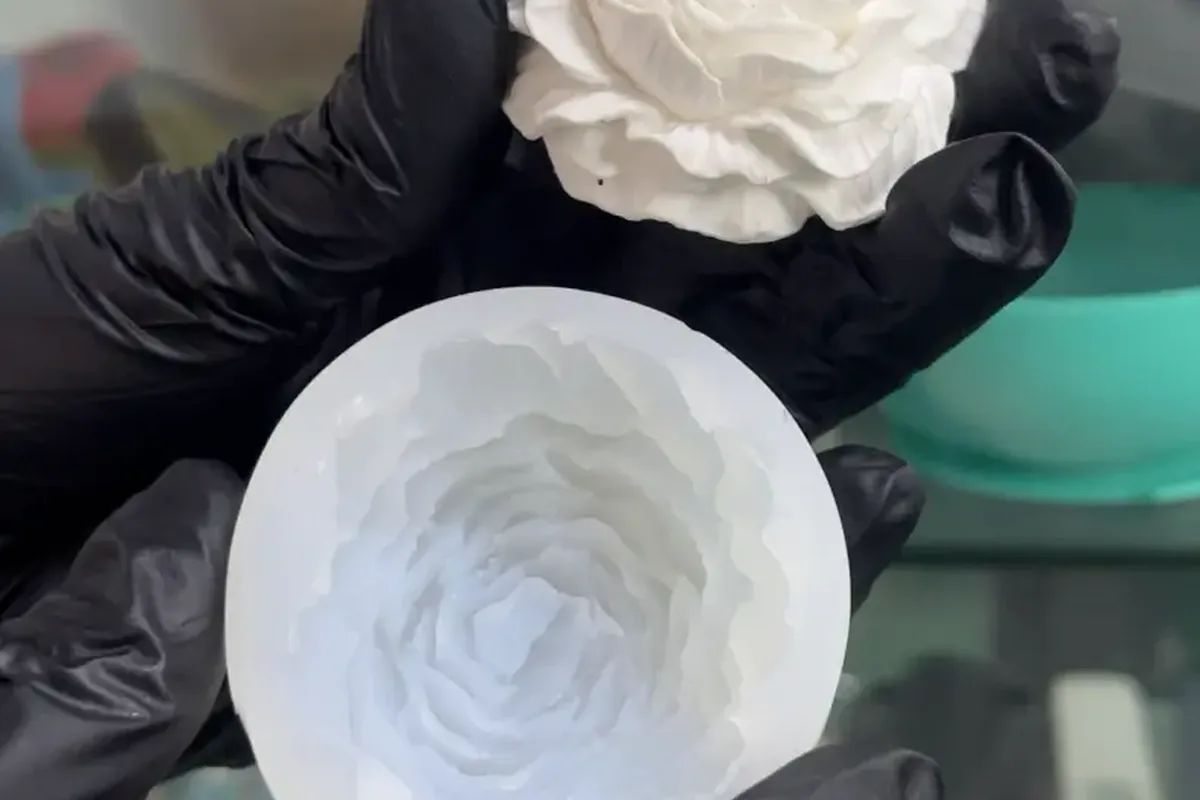
Deep petals need draft and a skin that returns after peel.
Handmade soap cast
Soap demolding demonstration showing surface detail and release. Specify the soap formulation and process when requesting a similar mold.
Imperial-seal mousse
The emboss has to release.
FAQ
Can you make custom silicone molds or parts from my design?
The usual job is a custom RTV silicone casting mold. You pour gummy, chocolate, resin, wax, soap, plaster, or ice into the cavity. Send a drawing, photo, sample, or CAD, plus what you pour and how many molds you need. HCR/HTV compression tooling and finished silicone parts are a separate quote. LSR is reviewed only when the article itself is silicone.
Do I need to provide a 3D CAD file, or can you design it for me?
You do not need a perfect CAD file to start. STEP or STL is best for a firm quote. A drawing, sketch, measured photos, or a physical sample is enough to begin. If we build or revise the 3D, custom/simple modeling is USD $50 when that scope applies. Chargeable CAD starts only after that scope is confirmed.
How much does 3D / CAD design cost?
Custom/simple 3D modeling is USD $50 when that scope applies. DFM review is free. Chargeable CAD starts only after the scope is confirmed. Complex organic rebuilds are quoted separately. A design fee is not unrestricted CAD ownership.
Can I get a sample or prototype before ordering production?
Yes. A prototype is 3-7 business days after CAD lock. You pour your real material and approve that sample before production. Production MOQ is 20 pieces per design. A one-off paid test is a different line from that production quantity.
What is your minimum order quantity (MOQ)?
Production MOQ is 20 mold pieces per design. A second design is a second MOQ. We do not publish a separate HTV quantity on this site.
How do you quote unit prices for different quantities?
To prepare an accurate quotation, please send your design or reference images, finished dimensions, casting material, cavity requirements and order quantity. We will review the mold structure and confirm the applicable CAD, tooling, prototype, production and shipping costs. Production starts at MOQ 20 pieces per design. The number is not firm without files or confirmed specs.
How much is mold / tooling, and who owns the mold?
Tooling is quoted per project: pattern, resin production mother, RTV, and a jacket when the skin would sag. Paying a tooling fee does not automatically answer who owns the CAD, the physical master, the silicone molds, or the right to reproduce the design. Those items are written on the quotation before the first deposit.
What is the typical lead time?
A complete RFQ is typically answered within 24 hours. DFM review is free. A prototype is 3-7 business days after CAD lock. Production lead time is usually 2-4 weeks depending on cavities and quantity. Shipping time is separate. Large or complex jobs are confirmed on the quotation.
What silicone materials and Shore hardness do you offer?
Food-contact casting molds are typically platinum-cure. Cavity Shore is often 10A-20A, with a jacket if a loaded tray would sag. Shore is confirmed after the pour material. HCR/HTV products and LSR parts are a separate quote.
RTV or HTV - which should I choose?
If you pour into a cavity, the usual route is an RTV casting mold. HCR/HTV compression tooling and finished silicone parts are a separate quote. See our overview: RTV vs HTV silicone molds. Tell us the quantity and what you pour.
Can you ship internationally? What about EXW / FOB / DDP?
Yes. We ship from Bao'an. Name EXW, FOB, or DDP, plus the destination, on the RFQ. Those are different commercial objects. Do not compare an EXW number with a DDP number. Freight method is confirmed with carton size.
Do you provide food-contact or other compliance documents?
Food-contact documents depend on the compound, the food, the temperature, and the destination market. 21 CFR 177.2600 is extraction of the article, not an FDA-approved factory. Ask for the papers that match your use.
Will you sign an NDA?
Yes. If the design is confidential, say so before you send the full file set. An NDA covers how we handle your CAD and artwork. It does not, by itself, decide who owns the CAD, the master, or the molds.
Do you offer OEM / private-label packaging?
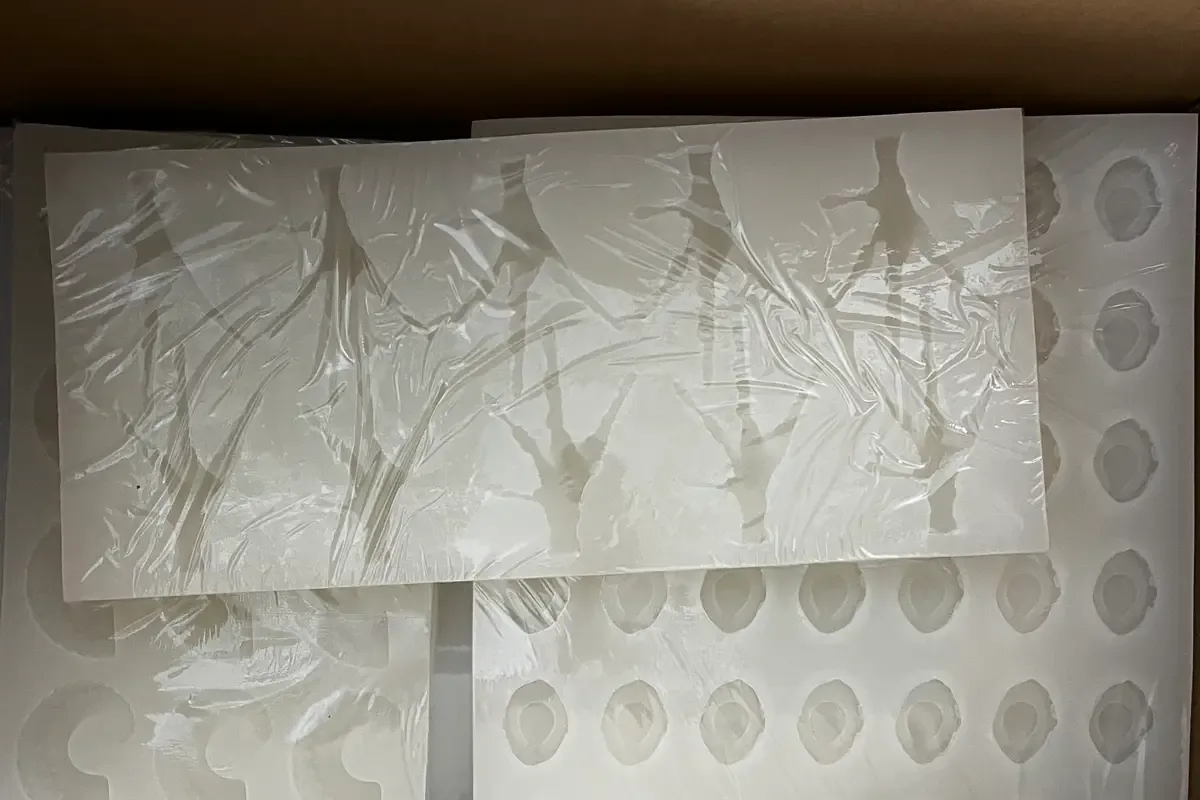
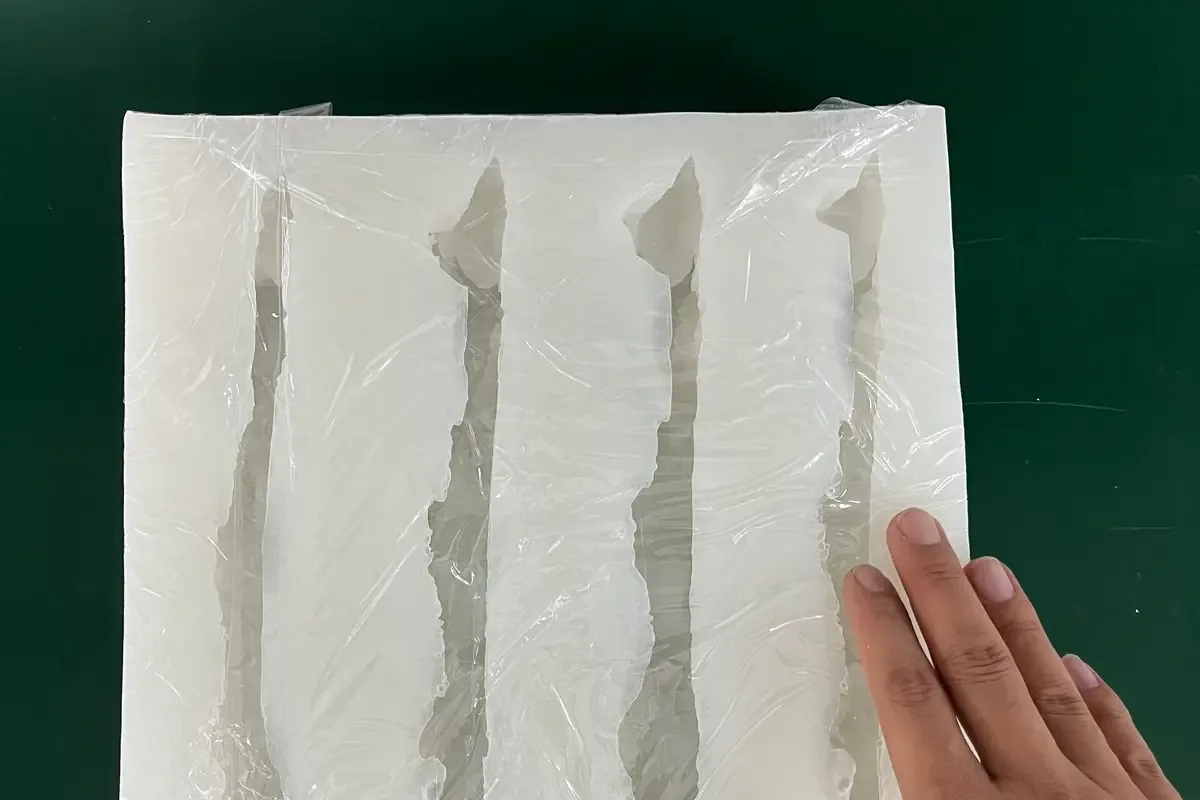
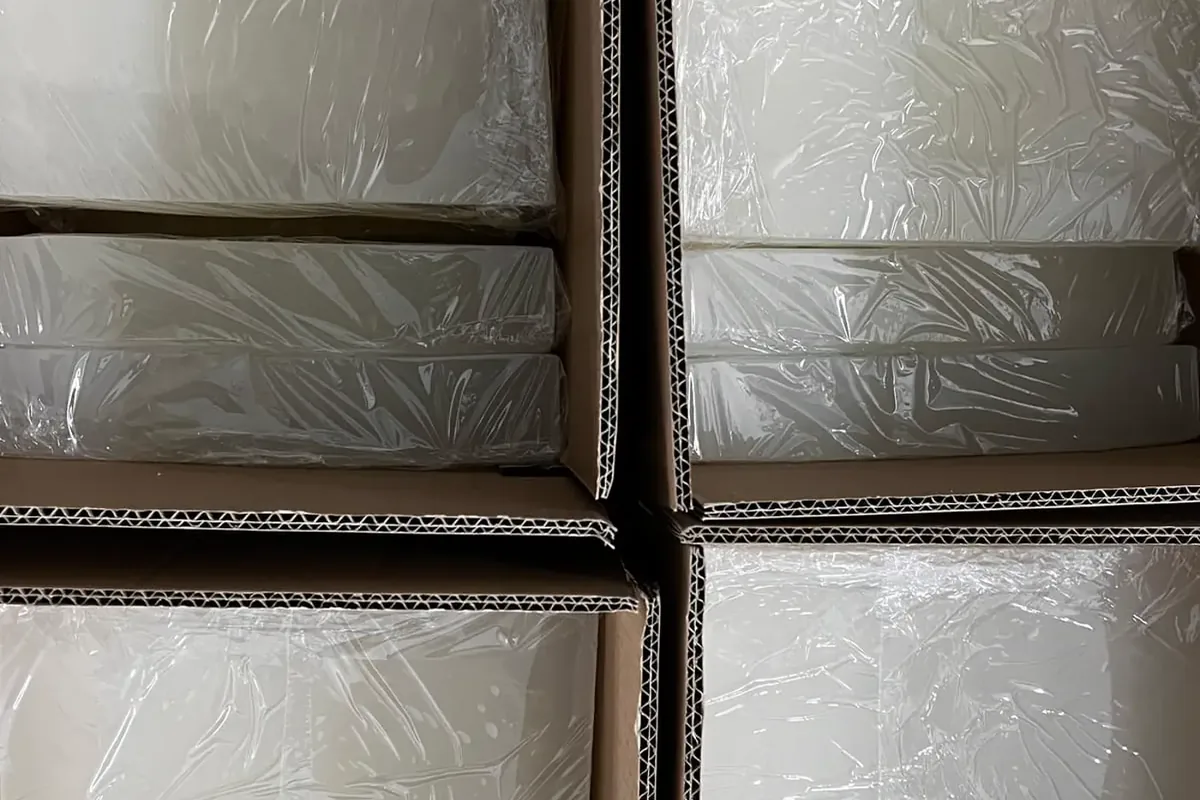
Production RTV trays ship flat, not folded, so the cavity does not take a set. Carton style and any printed marks are a separate line on the quotation, named with the Incoterm.
What payment terms do you use?
Terms are stated on each proforma. Chargeable CAD starts only after the modeling scope is confirmed. Tooling and production are separate lines after you approve the 3D.
Can you work with my contract manufacturer's tray or machine specs?
Yes, when you send tray size, cavity pitch, depositor type, and how the tray demolds. We size the cavity from the finished piece, then check whether the filled tray still lines up with the nozzles.
Send Your Project
Send your drawing, CAD, sample details or reference photos, together with the intended use and quantity. We will review the geometry, material requirements and manufacturing route before confirming the design scope, tooling, prototype plan, MOQ and lead time.