
Kyler Yang··6 min read·Guides
RTV Mold Regulatory Requirements, US vs Germany
Name the market first. US repeated-use rubber is 21 CFR 177.2600. Germany adds LFGB and BfR XV. Factory ISO 9001 does not replace the cavity flask.
Read article -Custom silicone development · RTV mold MOQ from 20 · DFM & prototype support
Explore practical silicone mold guides from RUUIPON, covering design, release, materials and production planning. Start with the problem you need to solve, then open the relevant product page when you are ready to discuss a quotation. CAD, drawings, samples and measured reference photos can all help define the project.
A broad DFM guide covering release, undercuts, splits, detail, multi-cavity layout, material selection and prototype validation.
The information that helps a supplier identify the correct mold structure, process, quantity and documentation requirements.
Understand when a flexible casting mold, compression tool or LSR tool fits the product.
Understand what food-contact documentation means and what to request for the destination market.
Use this cluster for one-piece vs two-part molds, undercuts and split molds, registration keys, wall thickness and support, edge radius, logo/text detail, tolerance and shrinkage, and DFM review.
One-piece vs two-part · Undercuts and split molds · DFM review
Use this cluster for gummy mold design, gummy size and cavity volume, chocolate molds, baking, ice and food-contact documents.
Choose the mold application first, then prepare the care and measurement requirements that the prototype must meet.
Define the tray, oven fit and trial process.
Review shape, filling, freezer space and release.
Match cavity layout to filling and handling.
Prepare care instructions and an inspection handover.
Check actual-size artwork and the sampled chocolate.
Separate master, supported cavity and cast-product results.
Use this cluster for platinum vs tin cure, vacuum degassing, cure time, RTV vs HCR/HTV vs LSR, and overmolding.
Use this cluster for RFQ preparation, low MOQ, lead time, custom vs off-the-shelf, factory sourcing, prototype to production, and ownership/reorder.
RFQ guide · Low MOQ · Custom vs off-the-shelf · Manufacturer
Use this cluster for common defects, tearing, resin bubbles, storage/warping, lifespan and cleaning.
Common defects · Resin bubbles · Storage and warping · Mold lifespan
Latest articles · 411 guides · page 33 of 42 · 10 per page
Title preview
Name the market first. US repeated-use rubber is 21 CFR 177.2600. Germany adds LFGB and BfR XV. Factory ISO 9001 does not replace the cavity flask.
Read article -
Verify silicone certificates by matching lab, method, specimen, color, and pour to the cavity you will ship. A PDF titled FDA is not verification.
Read article -
Uncured RTV kits and cured cavities use different clocks. Shelf life of a food-contact mold is heat, UV, oil, and jacket crease, not a ten-year carton
Read article -
Store RTV cavities cool, dark, uncreased, and away from sulfur and tin tools. Keep the food-contact face clean. Never stack jackets into a fold.
Read article -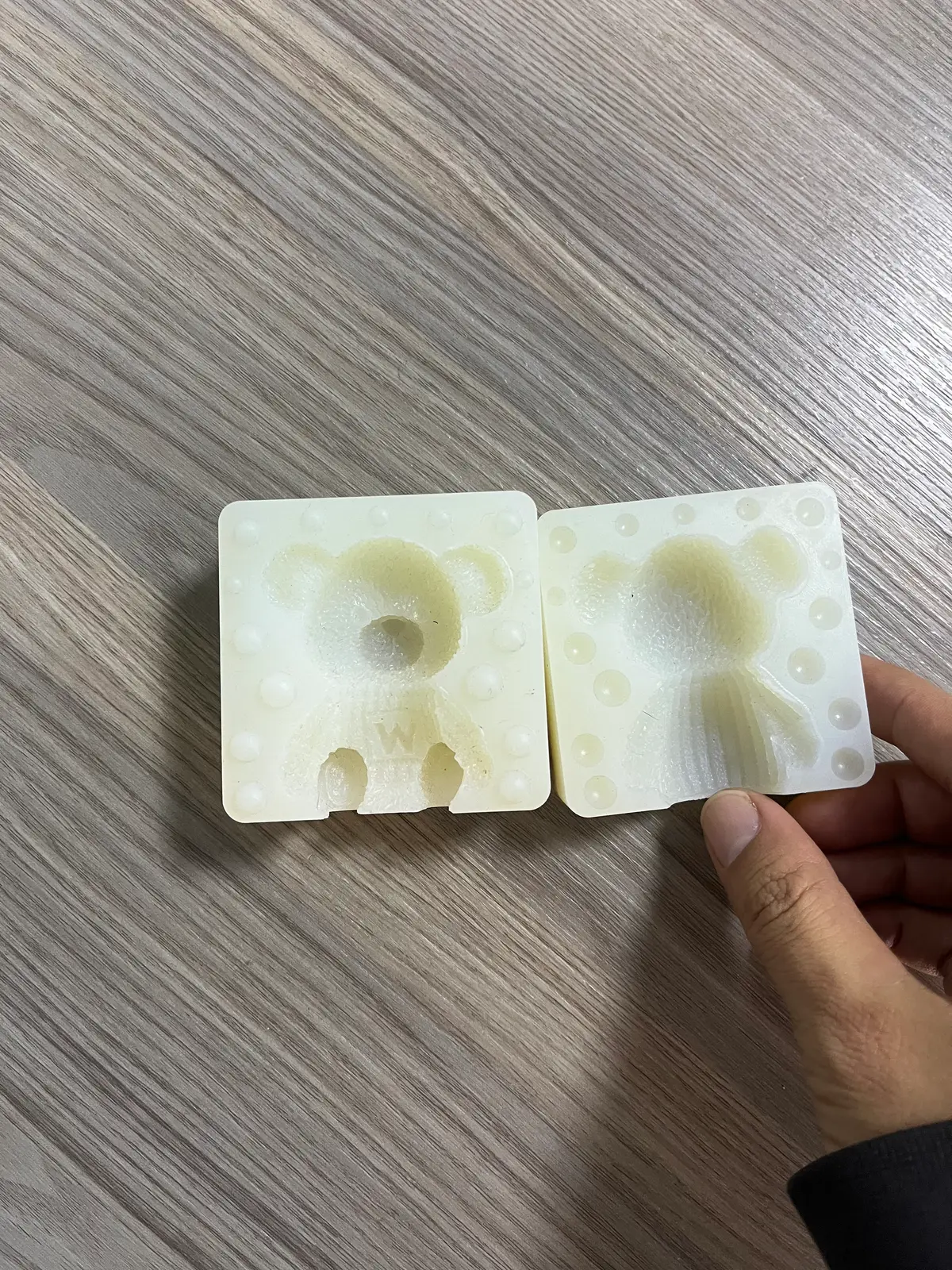
RTV mold QC is master identity, pour and flash, key register, lot extraction, and a visual of the food face. A spatula report does not cover the cavity.
Read article -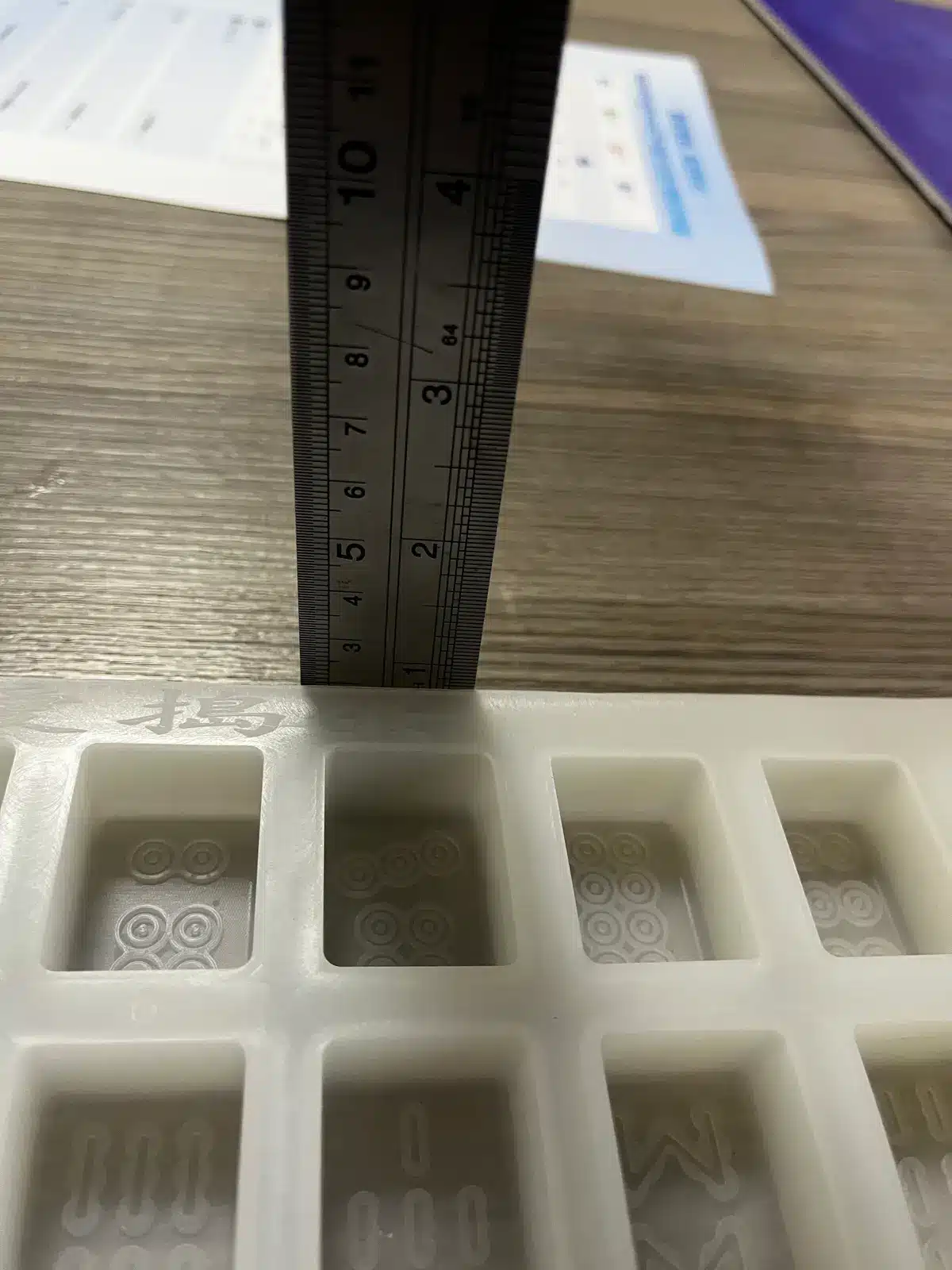
A gummy mold is a cavity a depositor fills, a gel sets in, and a dump station empties. Starch moguls, RTV trays, and rigid plastic are not the same tool.
Read article -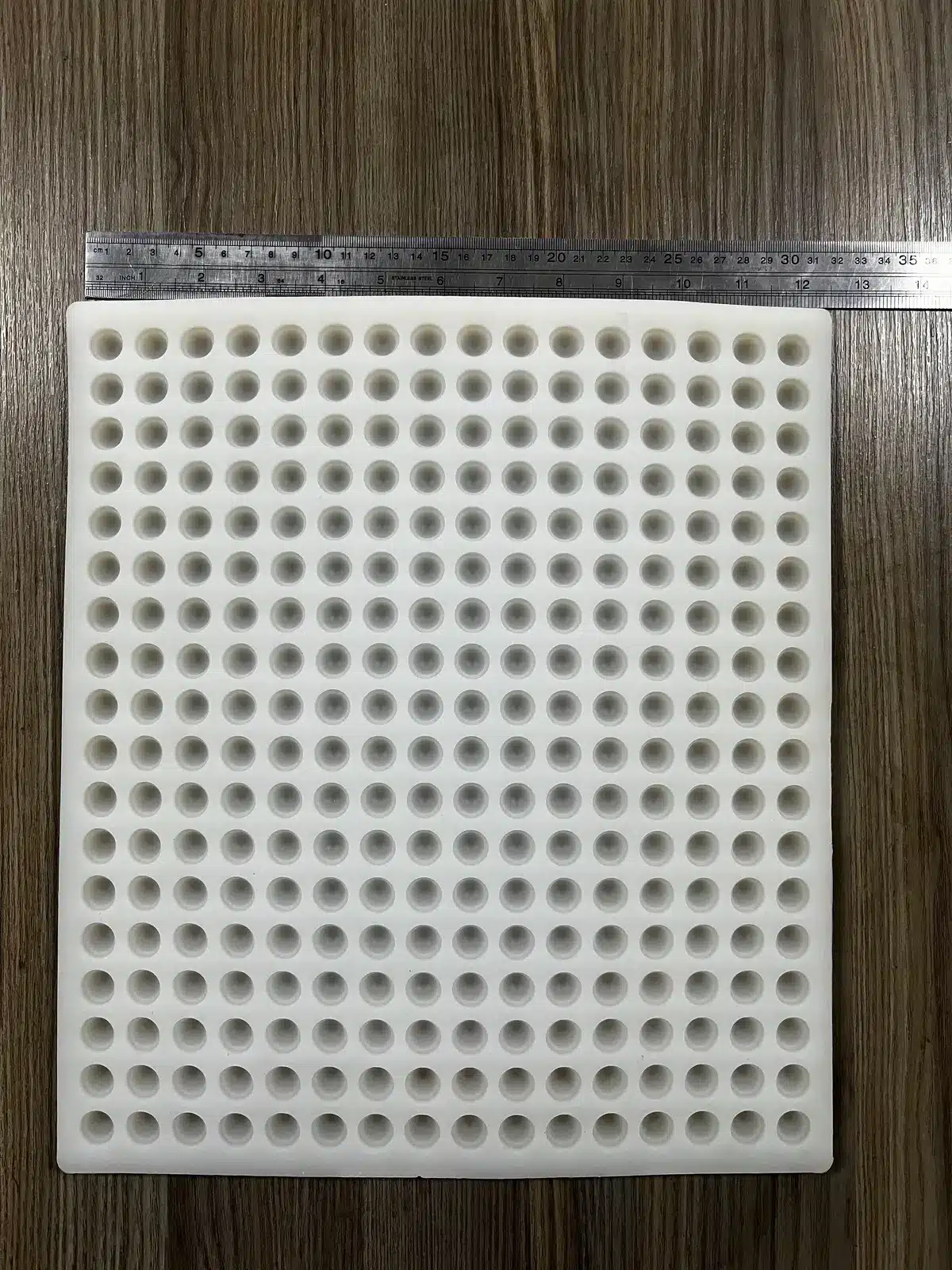
Choose gummy molds from depositor pitch, dump method, and piece volume, not the cartoon. Starch, plastic, and platinum RTV trays are different line tools.
Read article -
Production gummy trays are platinum RTV from a living mother, jacketed, and post-cured. 21 CFR 177.2600 extractives apply to the article, not a spatula.
Read article -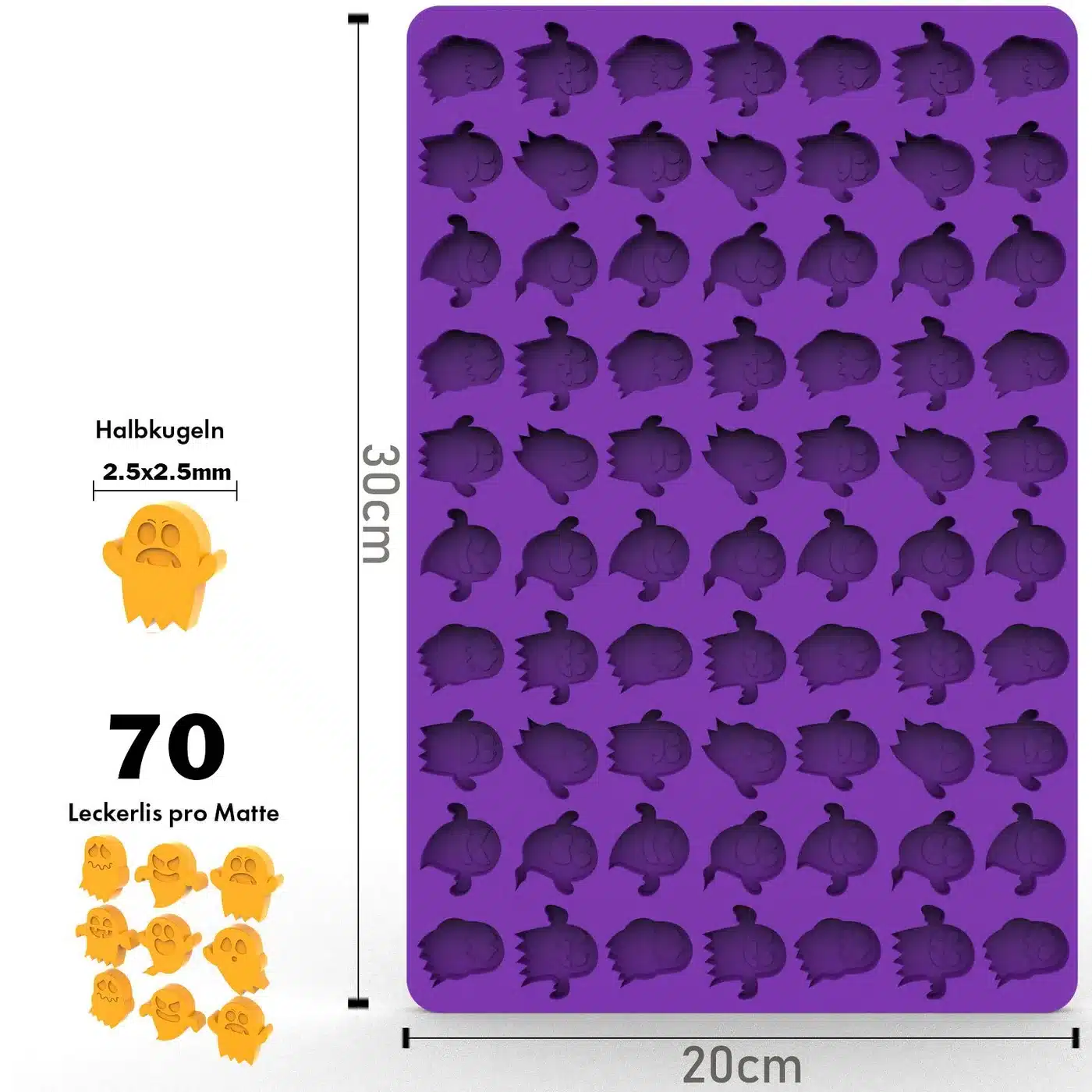
Custom gummy cavities fail on starved ears, bad pitch, and dump tears, not on pretty CAD. Design volume, draft, and depositor register first.
Read article -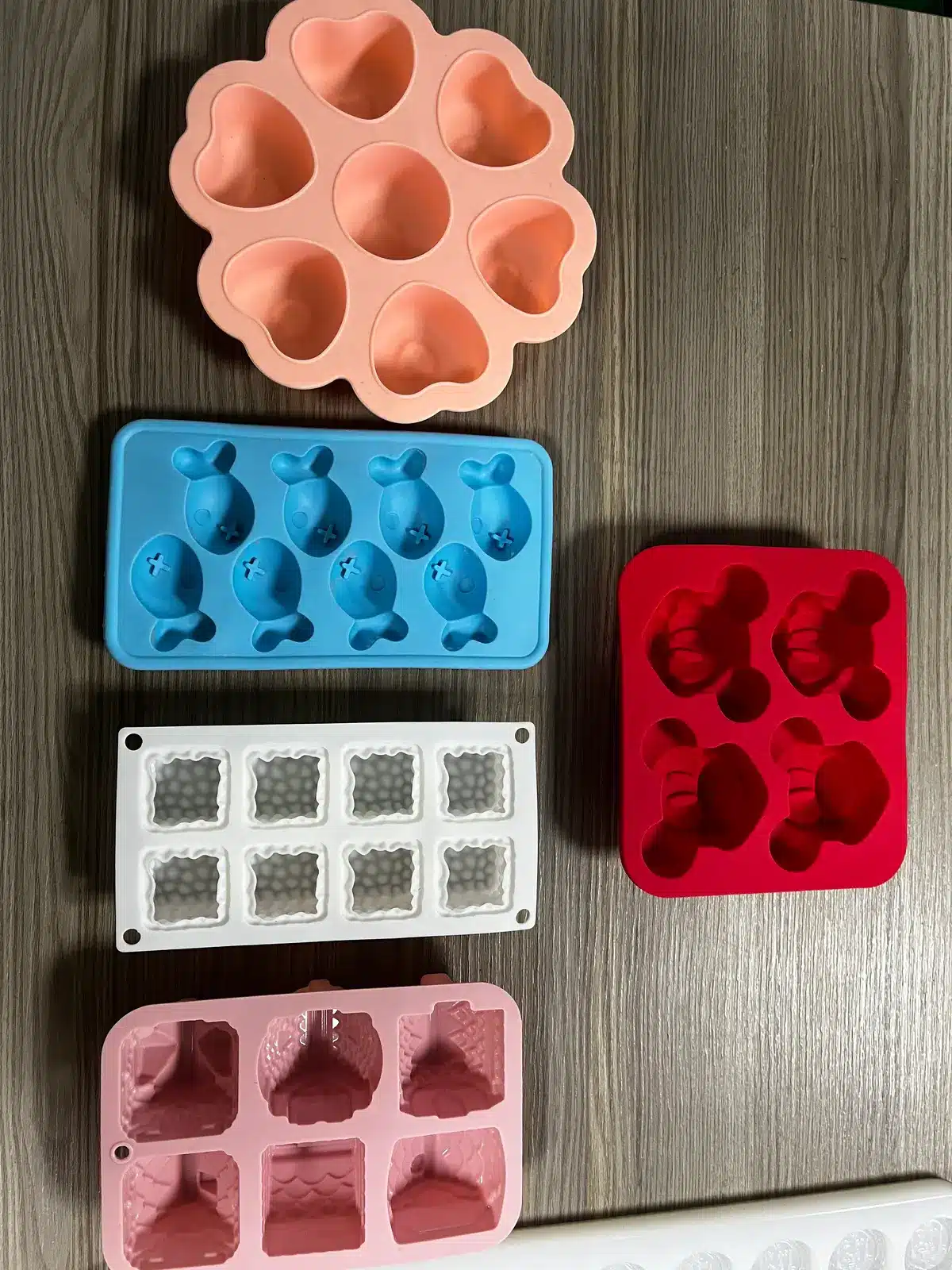
Vitamin gummy molds are cavity-volume tools on a depositor. RTV trays beat starch when dust is forbidden. Piece weight is volume plus slurry.
Read article -