
Kyler Yang··11 min read·Guides
ISO 3302-1 for RTV Silicone Molds: A Drawing Class
ISO 3302-1 is a rubber drawing class, not "precision." For RTV trays, separate jacket, pocket, and casting. Don't paste ISO 2768 on a 20A lip.
Read article -Custom silicone development · RTV mold MOQ from 20 · DFM & prototype support
Explore practical silicone mold guides from RUUIPON, covering design, release, materials and production planning. Start with the problem you need to solve, then open the relevant product page when you are ready to discuss a quotation. CAD, drawings, samples and measured reference photos can all help define the project.
A broad DFM guide covering release, undercuts, splits, detail, multi-cavity layout, material selection and prototype validation.
The information that helps a supplier identify the correct mold structure, process, quantity and documentation requirements.
Understand when a flexible casting mold, compression tool or LSR tool fits the product.
Understand what food-contact documentation means and what to request for the destination market.
Use this cluster for one-piece vs two-part molds, undercuts and split molds, registration keys, wall thickness and support, edge radius, logo/text detail, tolerance and shrinkage, and DFM review.
One-piece vs two-part · Undercuts and split molds · DFM review
Use this cluster for gummy mold design, gummy size and cavity volume, chocolate molds, baking, ice and food-contact documents.
Choose the mold application first, then prepare the care and measurement requirements that the prototype must meet.
Define the tray, oven fit and trial process.
Review shape, filling, freezer space and release.
Match cavity layout to filling and handling.
Prepare care instructions and an inspection handover.
Check actual-size artwork and the sampled chocolate.
Separate master, supported cavity and cast-product results.
Use this cluster for platinum vs tin cure, vacuum degassing, cure time, RTV vs HCR/HTV vs LSR, and overmolding.
Use this cluster for RFQ preparation, low MOQ, lead time, custom vs off-the-shelf, factory sourcing, prototype to production, and ownership/reorder.
RFQ guide · Low MOQ · Custom vs off-the-shelf · Manufacturer
Use this cluster for common defects, tearing, resin bubbles, storage/warping, lifespan and cleaning.
Common defects · Resin bubbles · Storage and warping · Mold lifespan
Latest articles · 411 guides · page 29 of 42 · 10 per page
Title preview
ISO 3302-1 is a rubber drawing class, not "precision." For RTV trays, separate jacket, pocket, and casting. Don't paste ISO 2768 on a 20A lip.
Read article -
Compression molded silicone is millable HCR on a press — a finished-part quote. A poured RTV cavity you dump into is a different object on this site.
Read article -
Understand how liquid silicone rubber molding uses a heated tool to form finished parts. Compare LSR injection, HCR compression and RTV casting molds.
Read article -
RTV precision is master finish, pour, and jacket registration. ISO 3302-1 is a drawing class, not precision. LSR shut-off is a different parts quote.
Read article -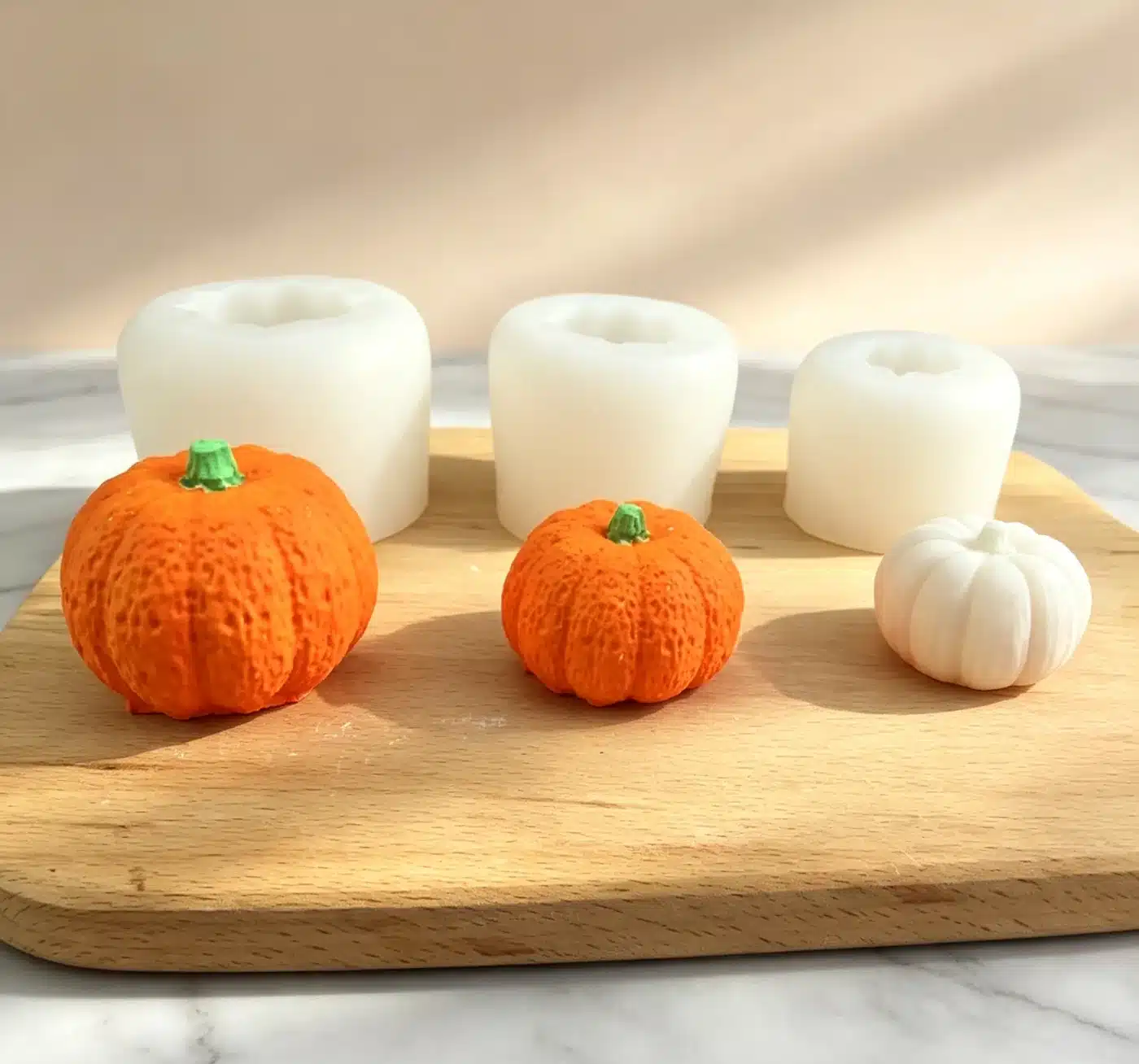
For a custom RTV mold, tooling is the pattern, often a flip, the production master, batch RTV, and a support shell - not an LSR cold-runner.
Read article -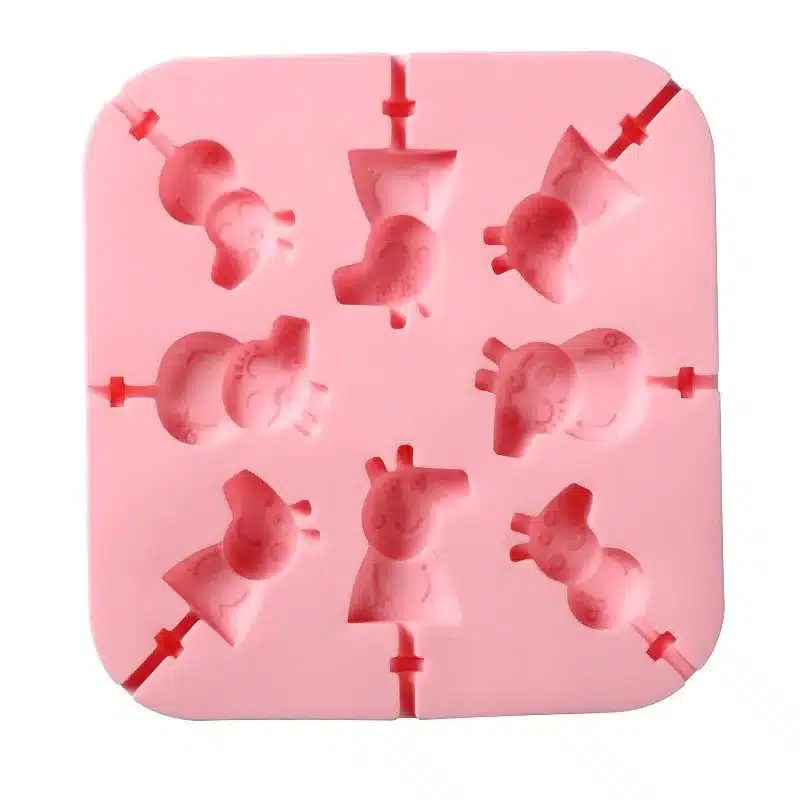
Improve RTV release by fixing master pull, peel, and jacket first. Spray is last. LSR and HCR stick for different reasons on a different parts quote.
Read article -
Platinum RTV often holds size after a full cure; tin-cure keeps moving. Separate master, mold rubber, and casting shrink, then lock a coupon method on
Read article -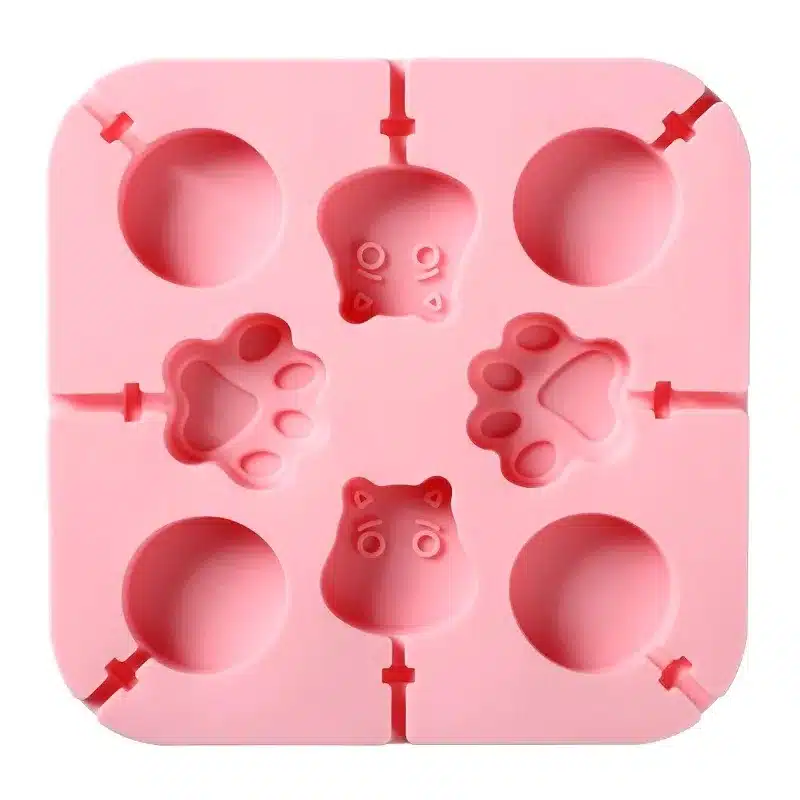
RTV life is tear, swell, UV, and a warped support shell - not an SPI shot count. Recast against a living mother. We do not sell a cycle warranty.
Read article -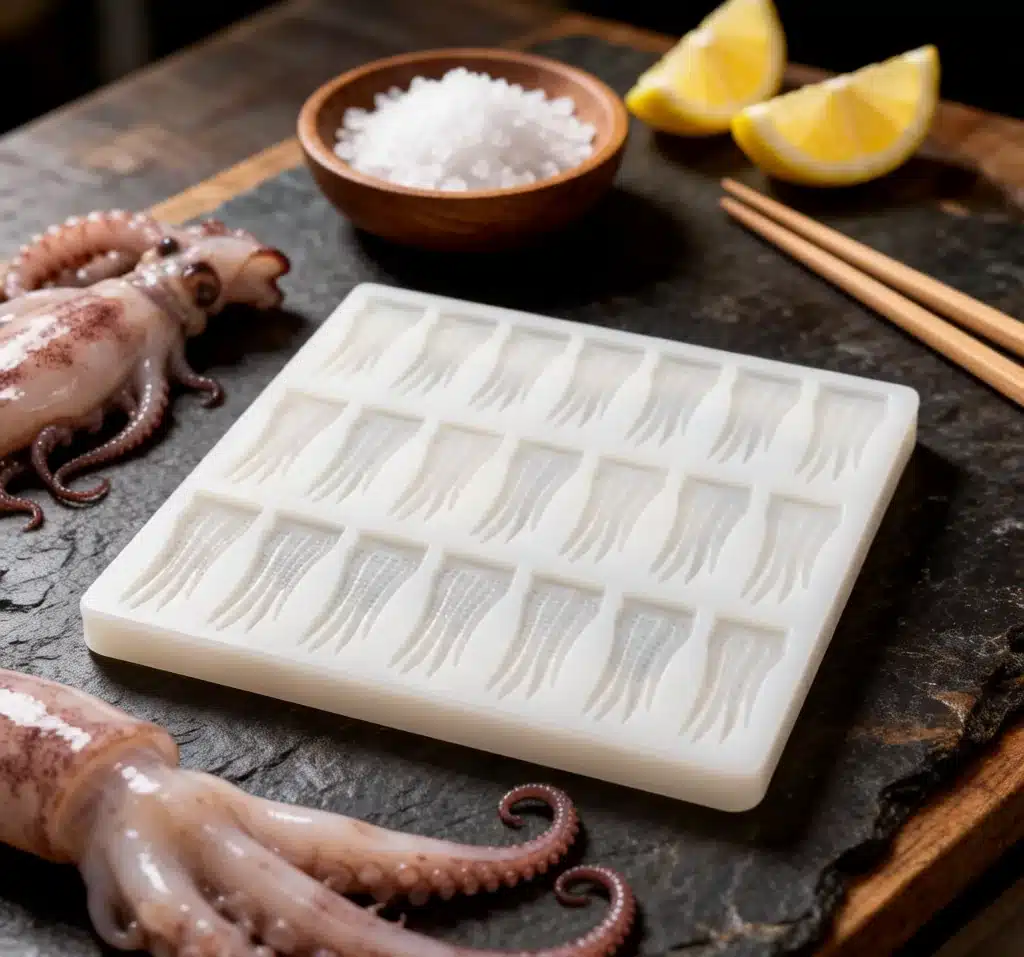
An RTV cavity copies the master. Specify finish, barrier coat, and which faces the rubber must reproduce, rather than asking the shop for a generic high
Read article -
Texture on an RTV mold lives on the master: CNC grain, etch, or print. Call draft, depth, and keep-outs, then check the first casting against a retained
Read article -