
Food-Contact Silicone Project Quoting & Documentation Review
Food-contact quoting starts with the actual article, intended use and destination market.
RUUIPON can review custom food-contact silicone molds and finished silicone products, then identify the likely manufacturing process, material requirements and documentation that should be confirmed before production.
Food-contact status belongs to the selected material or tested article and applicable documentation — not to a generic “FDA-approved factory” label.
First Decide What You Need to Receive
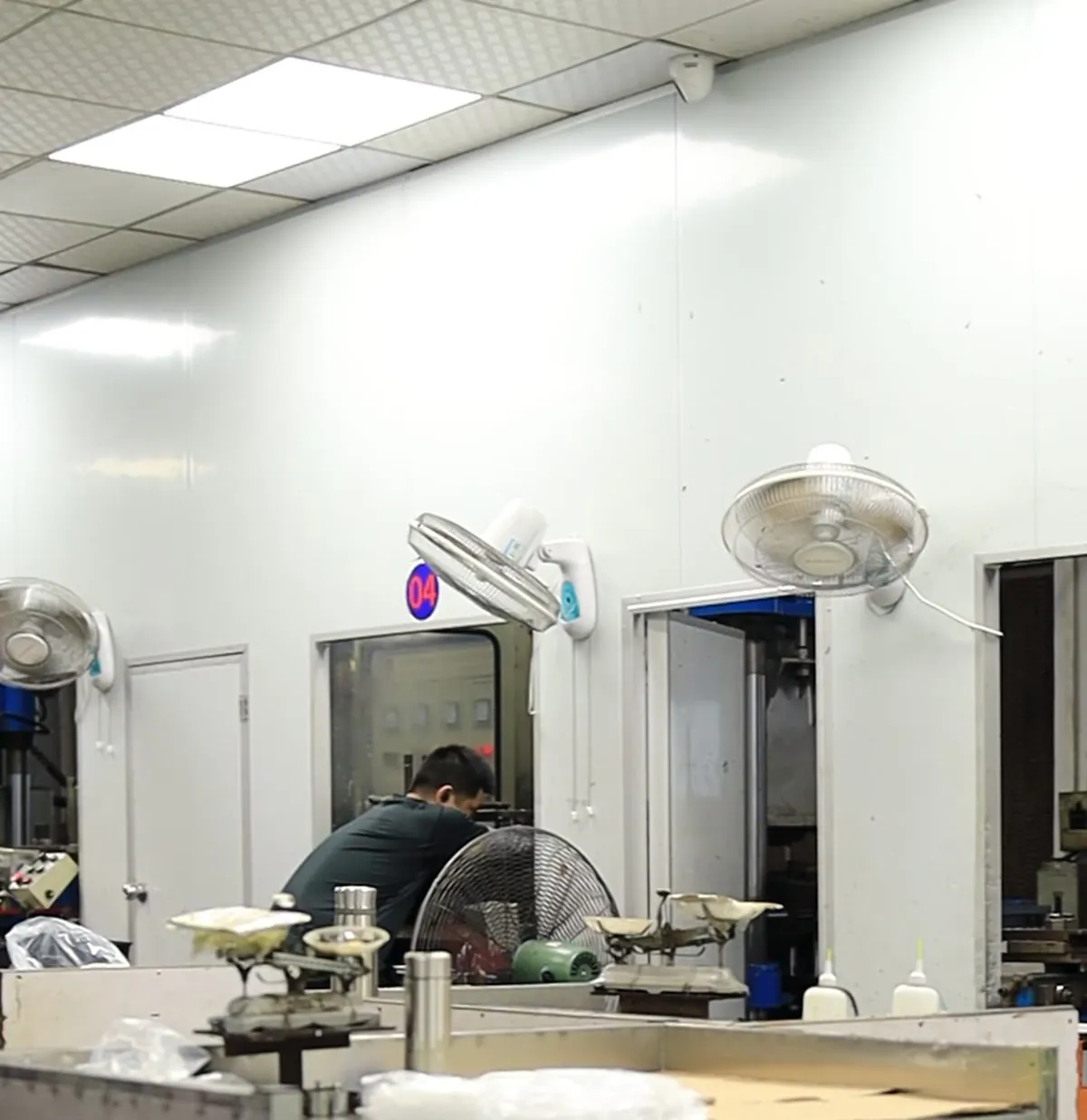
Custom Food-Contact Mold
Examples:
- gummy molds
- chocolate molds
- baking molds
- ice molds
- candy/frozen-dessert molds
Possible route:
RTV mold development or another suitable mold-production route depending on design and quantity.
Finished Food-Contact Silicone Product
Examples:
- trays
- kitchenware
- reusable silicone articles
- food-contact components
Possible route:
HCR/HTV compression molding, LSR injection molding or another process after DFM.
Tell Us the Actual Use Condition
Send:
- product/mold type
- material or food contact
- destination country/market
- food type
- contact temperature
- contact duration/repeated-use condition
- cleaning method
- color/additives if relevant
- design/CAD/sample
- quantity
- customer/retailer documentation request
Match the Document to the Selected Material and Article
A useful document review asks:
- which silicone grade is proposed?
- which test report/declaration exists?
- what sample/material did it cover?
- which regulation/test method is referenced?
- does the color/formulation match?
- is finished-article testing required?
- does the buyer/retailer require an additional questionnaire?
Do not attach one generic report to every food project.
Confirm the Actual U.S. Requirement
For relevant repeated-use rubber food-contact articles, 21 CFR 177.2600 can be part of the regulatory discussion when applicable.
Do not convert that into a claim that the factory itself is “FDA certified.”
If the buyer has a retailer/customer test protocol, send it with the RFQ.
Identify the Market and Requested Evidence
EU food-contact work should be reviewed against the applicable EU framework and the actual article/material.
For Germany, BfR recommendations may be relevant technical guidance for silicone articles.
Do not use LFGB sections 30/31 as a one-size-fits-all certificate description.
What the Review Should Clarify
Depending on the project:
- likely manufacturing process
- proposed material path
- documentation available
- additional testing/questionnaire needed
- design information still missing
- prototype/validation plan
- production MOQ/quantity assumptions
- lead time assumptions
Does RUUIPON provide “FDA certification”?
We confirm available material/article documentation and the applicable test scope. We do not describe the factory itself as FDA approved.
Can you quote finished silicone food products?
Yes. RUUIPON can review HCR/HTV, LSR and other suitable routes.
Do I need to know the exact regulation before contacting you?
No. Tell us the destination market and use condition; we can identify what documentation should be checked.
- Food-Grade Silicone Molds
- FDA vs LFGB Guide
- Documentation Questions
- Certifications/Documents Hub
- Manufacturing Capabilities
A supplier says the silicone is “FDA.” What should I ask for?
Ask which exact material/article was tested, the report number, test method/regulatory reference, sample identity, date and whether the proposed production material/color matches the report scope.
Can one food-contact report cover every mold we buy?
Not automatically. Material grade, color/formulation, finished-article scope and destination requirements may differ.
We sell in both the U.S. and Europe. Can you review both?
Yes. State both markets in the RFQ so the material/document route can be checked before production.